Constructed Wetlands: The Snowball Effect
By Shayla Woodhouse
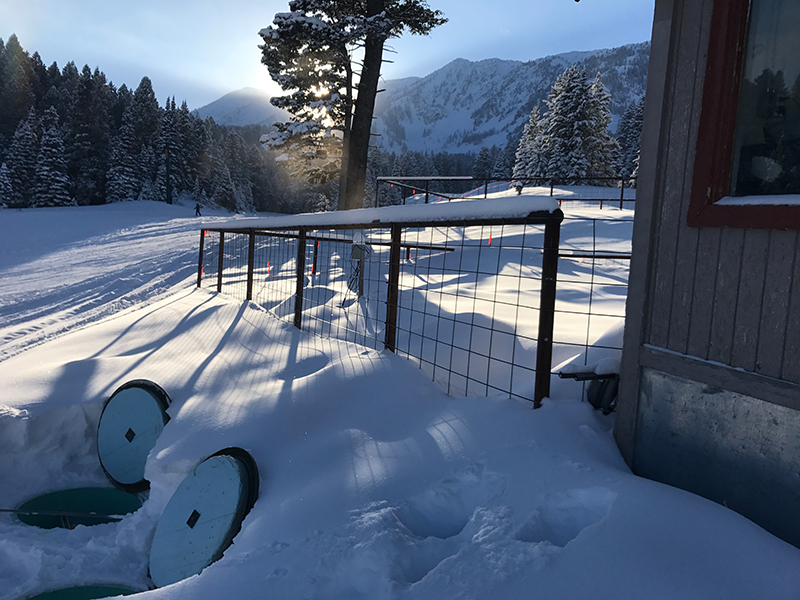
It’s a bitter cold winter day in the Bridger Mountains. Snow is falling and I am in my ski boots shoveling nearly a foot of snow from the first of six wastewater tank manway covers. Despite the frigid temperatures, I am sweating in all my ski layers. I take a break and look up to see skiers enjoying the fresh snow on Moose Meadows, a ski run about 20 feet from where I am shoveling.
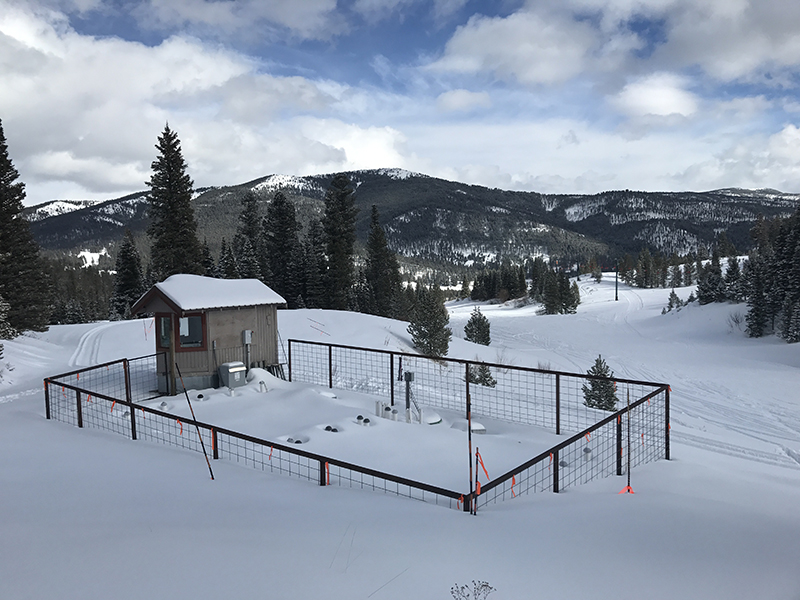
Every day during the ski season, skiers pass right by the system that I am researching, not knowing that beneath the snow a living constructed wetland is treating water that has been flushed down the toilets and sinks from Saddle Peak Lodge, the ski area’s main lodge. Beneath the six manway covers are three tanks, each containing water at a different stage of treatment. After clearing the snow from all manway covers, I open each lid and withdraw samples. Then it’s off to the lab, where I’ll test and examine the water quality results.
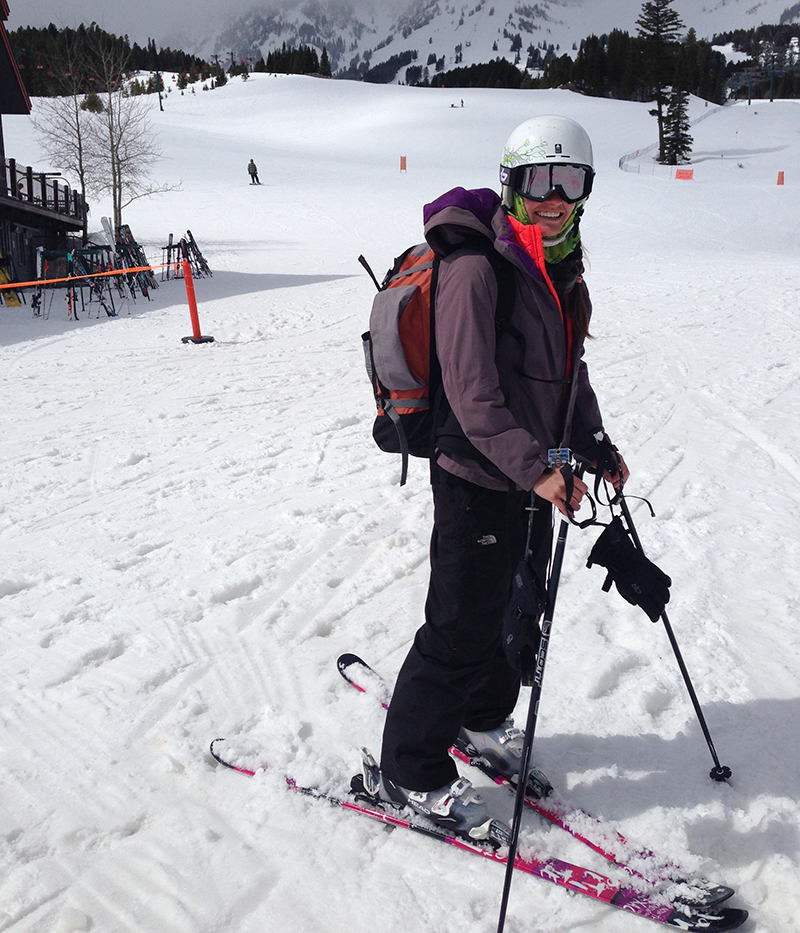
As a graduate student studying environmental engineering at Montana State University, I was fortunate to have the opportunity to spend 2.5 years researching and optimizing the performance of a full-scale pilot vertical flow constructed wetland at a ski area outside of Bozeman, Montana. When I was told that I would need to ski as part of the graduate research position (I had only skied a handful of times before), I embraced the dual opportunity to challenge myself. Over the course of my graduate studies and research, not only did I get better at skiing, but my knowledge and passion for constructed wetlands deepened just as quickly.
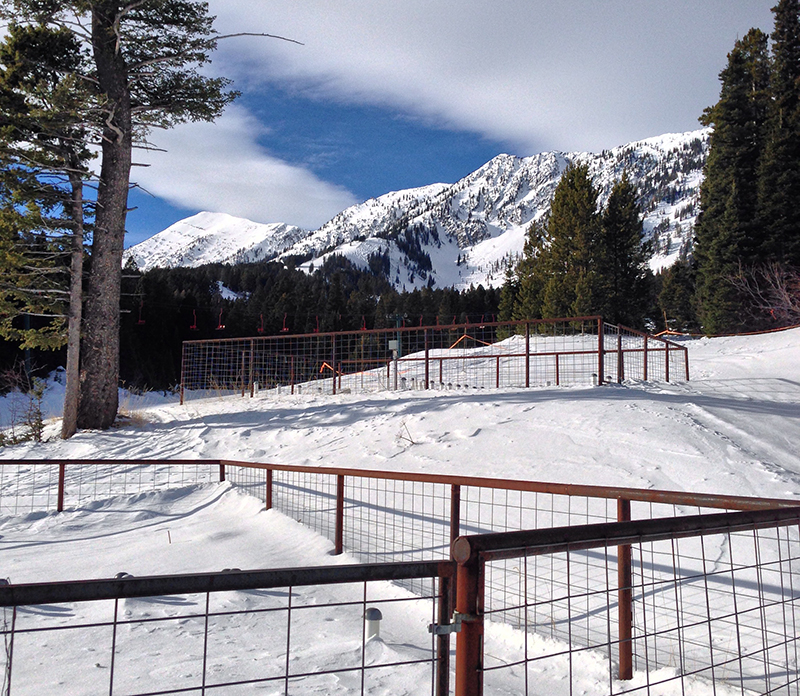
Constructed wetlands are suitable for various types of wastewater and climates. The full-scale pilot constructed wetland in the Bridger Mountains performed secondary treatment prior to subsurface dispersal. It demonstrated that despite snow and cold air temperatures, the wetland technology can remove up to 70% total nitrogen from primary treated wastewater.
Constructed wetlands are engineered systems that mimic natural wetlands and can be adapted to different design applications and incorporated into site landscape at different configurations. They provide habitat, are aesthetically beautiful and reframe wastewater treatment from concrete and grey infrastructure to celebrating water and nature in unison. They quietly treat (waste)water via microbes in the roots, gravel media, and plant uptake, and without a trained eye, it is easy to overlook the incredible work they are doing. Not only is the work that is happening in the subsurface incredible, but at the landscape scale, they add a sense of peace and beauty.
I’ve been able to apply the experience and knowledge that I gained about constructed wetlands from my graduate research to the projects I’ve worked on at Biohabitats. It has been fulfilling to expand the awareness and implementation of this simple, yet amazing technology through countless projects over the years, across the country, and in different climates.
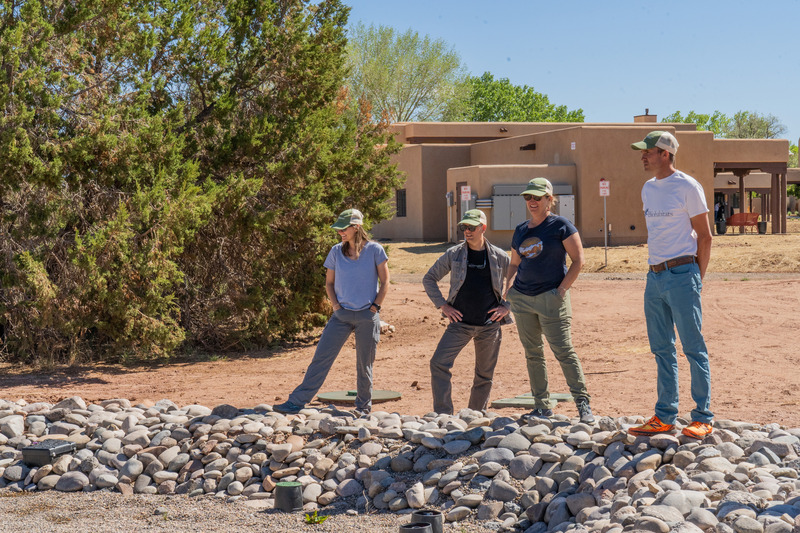
From my perspective, I’ve seen a growth in the widespread adoption of this engineered treatment technology over the last decade and there’s so much more that we, as a constructed wetland community, can continue to learn and research to reflect better designs. I remain optimistic that there will be a day when people simply slide by constructed wetlands that are treating wastewater; not because they are unseen beneath the snow, but because they are so ubiquitous and beautifully woven into the landscape and built environments that they’ve become commonplace.