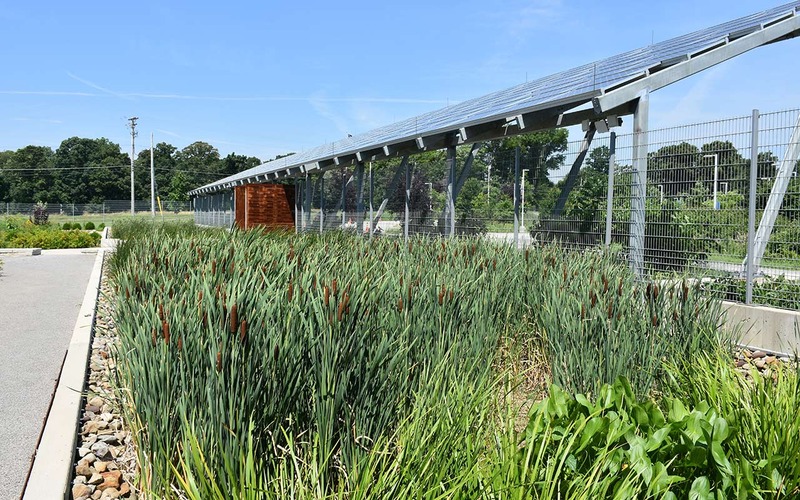
In This Issue
By Amy Nelson
With 3.8 billion years of research, development, and adaptation—and likely as many elegant, efficient, and life-fostering processes, forms, and strategies—nature is clearly Earth’s most experienced problem solver. It is not surprising, then, that we humans are increasingly turning to nature-based solutions for some of our most pressing challenges. Join us as we explore one such nature-based solution: constructed wetlands.
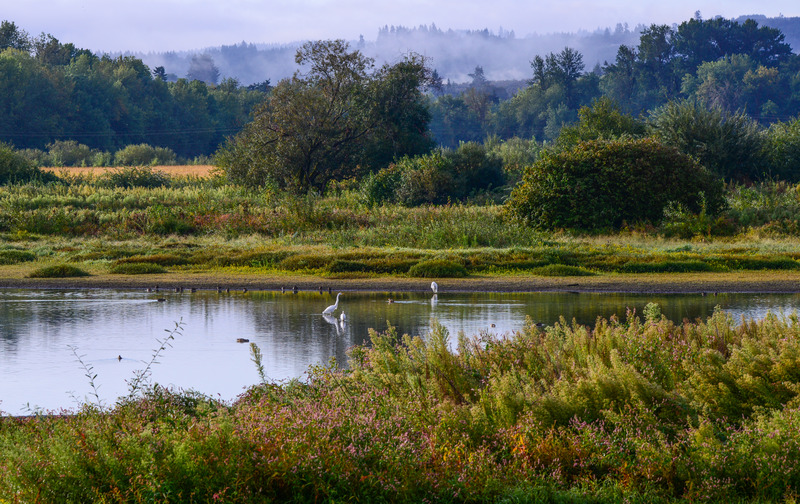
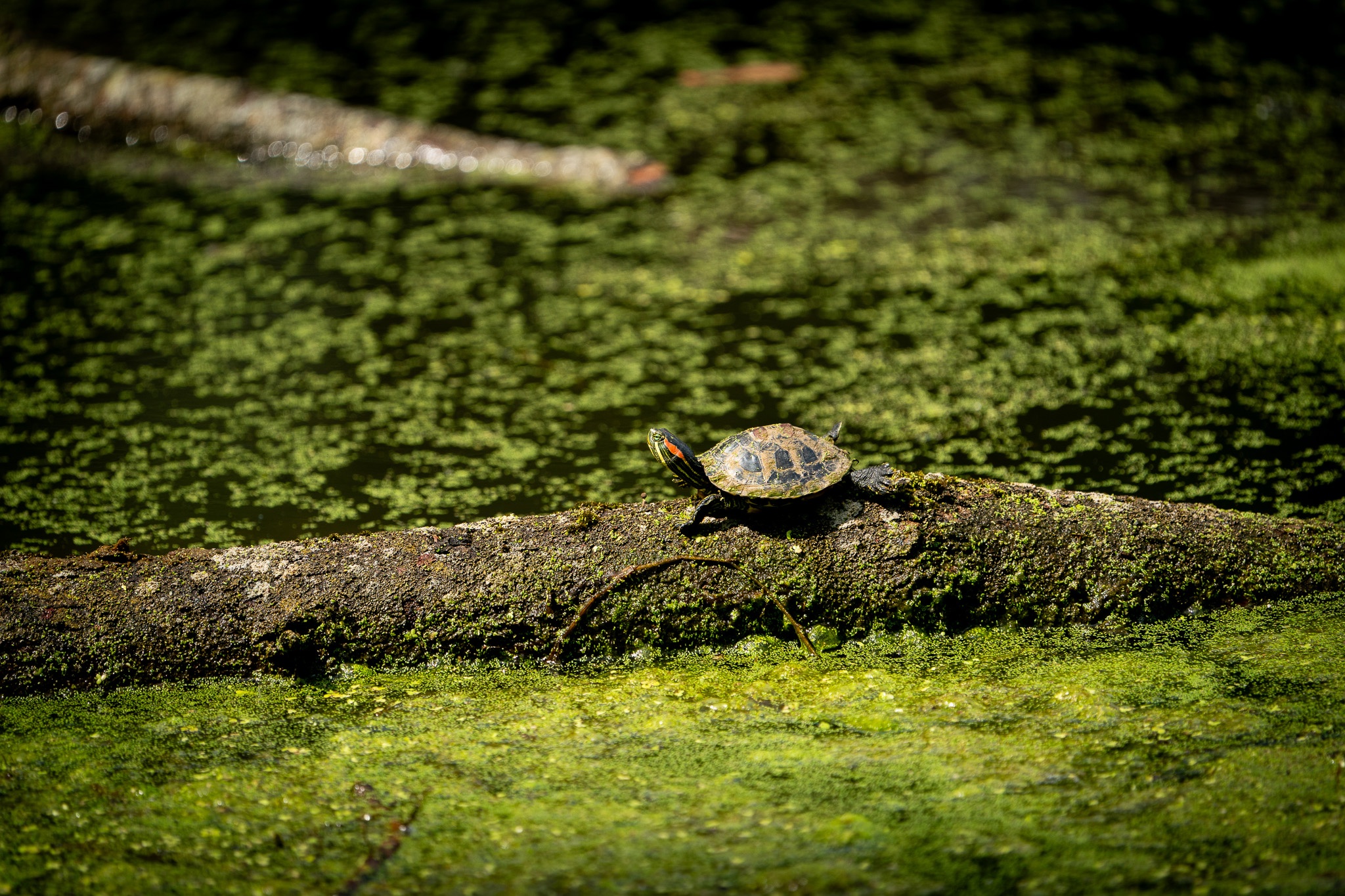
Constructed wetlands can help us conserve and clean water, store carbon, provide habitat, boost biodiversity, enhance recreation, reconnect to the natural systems that sustain us, and perhaps even generate power.
We begin by chatting with experts: Dr. Harold Leverenz, a Senior Researcher at the University of California, Davis and Senior Environmental & Wastewater Engineer at Biohabitats, and David Austin, Global Practitioner for Natural Treatment Systems at Jacobs Solutions.

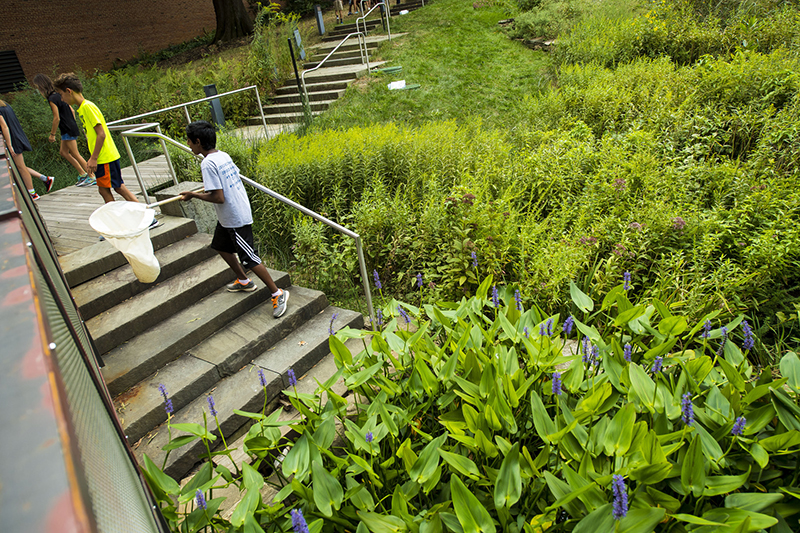
We also hear from three emerging professionals in this field. For Dr. Nicholas Miwornunyuie, an environmental engineer and postdoctoral scholar at Morgan State University and a 2026 Interdisciplinary Intern at Biohabitats, a childhood in coastal Ghana fueled an interest in environmental engineering, an ongoing fascination with constructed wetlands, and exploration of applications like treating emerging contaminants and recovering energy. Biohabitats Project Engineer, Shayla Woodhouse, recalls her graduate school experience studying a snow-covered, vertical flow constructed wetland in the mountains of Montana. Biohabitats Water Resources Engineer, Sarah Emrich, reflects on the power of constructed wetlands to capture not only pollutants but the imaginations of some one of the most elusive demographics: middle schoolers.
For those wondering, “What even is a constructed wetland, and how does it work?” we present a general overview. In addition to understanding how constructed wetlands function and are designed and built, it is important to consider what to do When the Sh&# Gets Real, in terms of operation and maintenance. Biohabitats’ Olin Christy, Pete Muñoz, and Jacob Neilsen share practical advice.
Might constructed wetlands be a solution for you? Our Field Guide to Constructed Wetlands, created by Biohabitats’ Practice Leaders, Erin English and Pete Muñoz, can help you determine if they are a fit for your site and challenge.
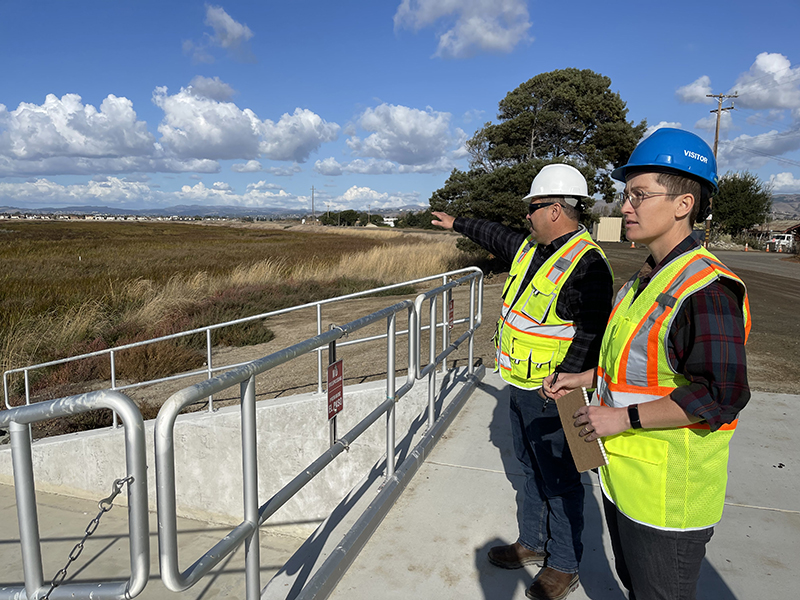
Leaf Litter’s Nonprofit Spotlight shines on the San Francisco Estuary Institute, an organization that is advancing nature-based solutions like constructed wetlands in a region that drains nearly 40% of California.
We share a list of resources for those wanting to dig deeper into constructed wetlands, and we’ll update you on the latest news about Biohabitats Projects, Places, and People.