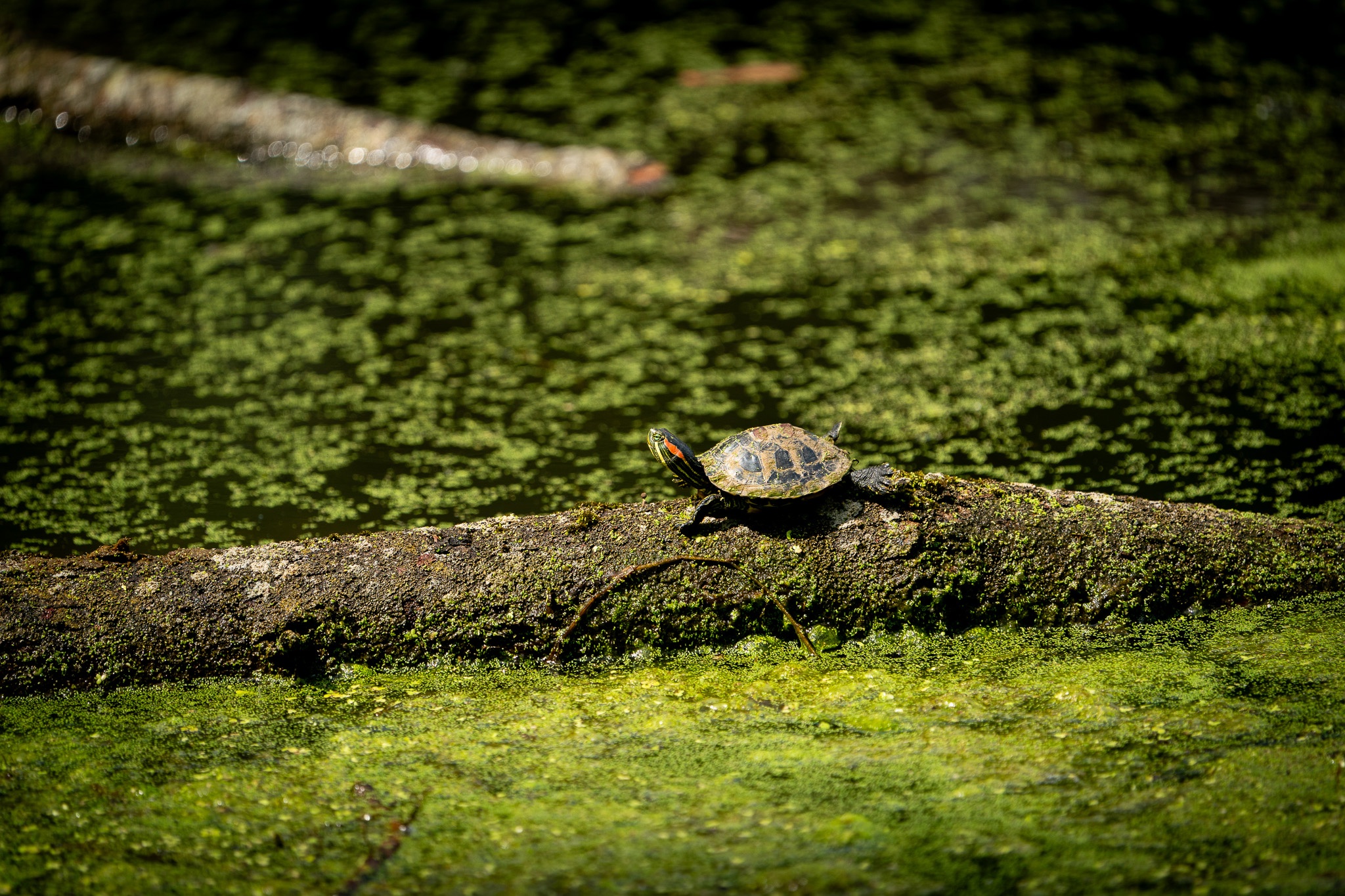
Over the past two months, I have had the privilege of serving as an Interdisciplinary Intern at Biohabitats, and it has been an incredibly rewarding experience. Coming from a research background in environmental engineering and sustainable water infrastructure, I was eager to see how ecological principles are applied to solve real-world environmental challenges. My time at Biohabitats has provided invaluable opportunities to bridge the gap between academic research and professional practice.
One of my first field experiences involved participating in Best Management Practice (BMP) inspections in Annapolis as part of Maryland’s Municipal Separate Storm Sewer System (MS4) Phase II stormwater permit requirements. These inspections deepened my understanding of how municipalities monitor and maintain stormwater infrastructure to protect receiving waters, improve water quality, and ensure regulatory compliance.
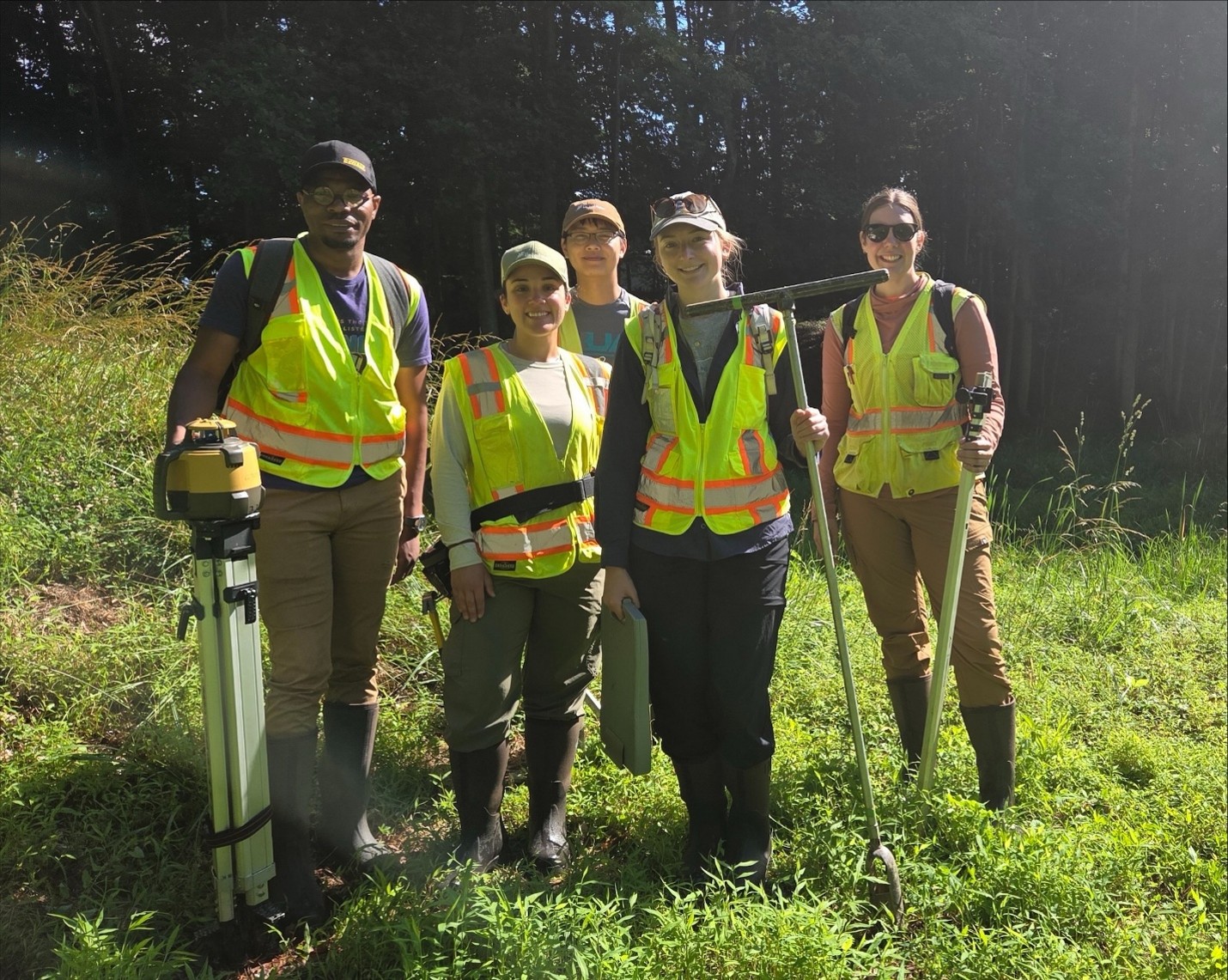
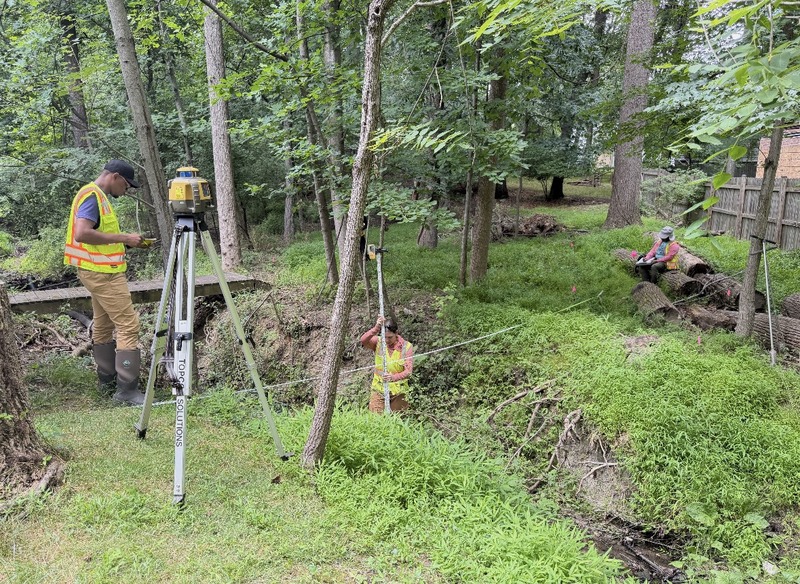
I also had the opportunity to join a team conducting post-construction stream and pond inspections, where I gained hands-on experience performing vegetation assessments, Rapid Bioassessment Protocol (RBP) habitat evaluations, pebble count analyses, and stream cross-section surveys. Conducting stream cross-section measurements provided valuable insight into channel geometry, stream stability, and the physical performance of restored stream reaches following construction. These field assessments reinforced the importance of long-term monitoring in evaluating the stability, ecological function, and overall success of stream restoration projects while demonstrating how engineering and ecological principles work together to restore healthy aquatic ecosystems.
Another exciting aspect of my internship was contributing to stream delineation projects using ArcGIS and HydroCAD. Working with spatial data and hydrologic modeling tools expanded my appreciation for how GIS and hydrologic modeling support watershed planning, stormwater management, and ecological restoration efforts. As someone interested in strengthening my GIS skills, this was an especially valuable learning experience.
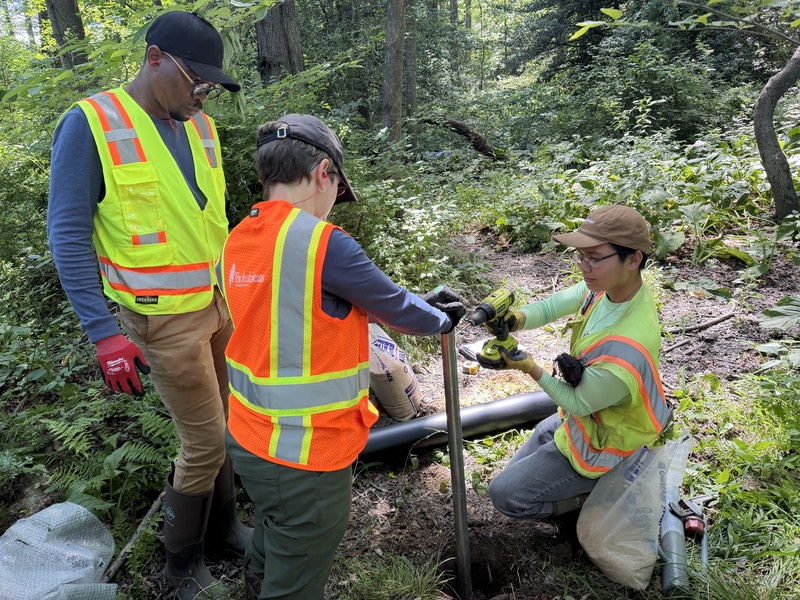
One of the highlights of my internship was participating in wetland delineation and groundwater monitoring well installation. During this project, I assisted with soil profiling, gaining firsthand exposure to field techniques used to identify wetland boundaries, characterize soil horizons, and evaluate hydrologic conditions. This experience strengthened my understanding of the relationships among soils, vegetation, and hydrology that define wetland ecosystems and informed environmental decision-making.
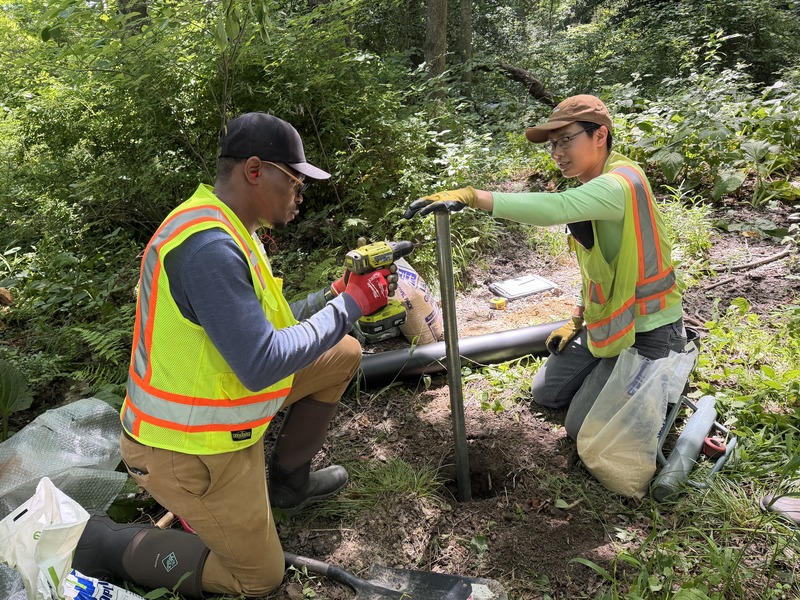
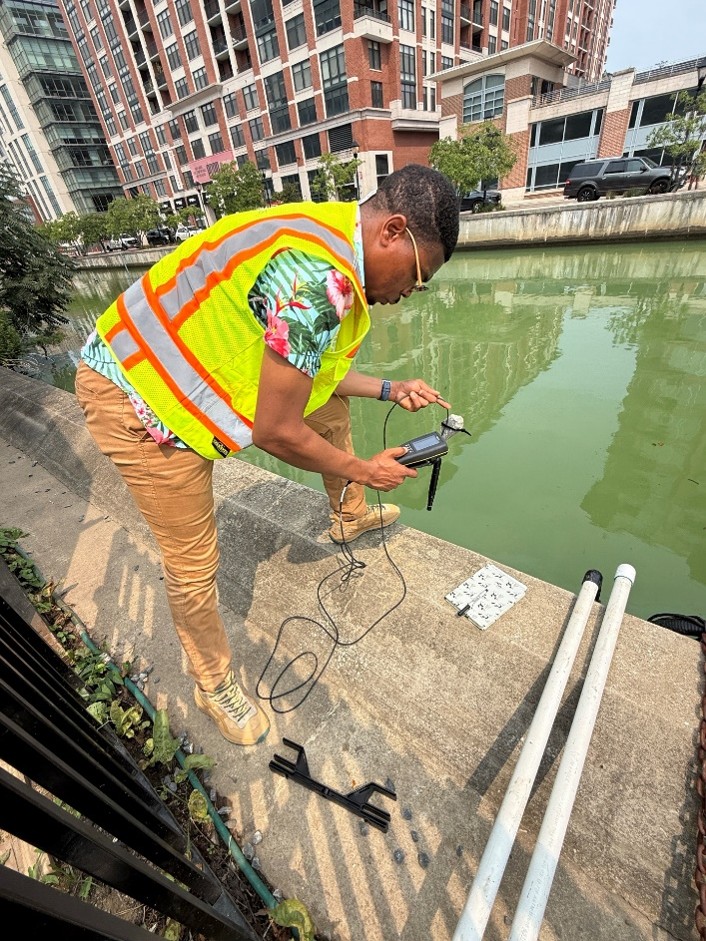
I also participated in outfall inspections as part of the MS4 Illicit Discharge Detection and Elimination (IDDE) program, which requires municipalities to inspect a percentage of their stormwater outfalls annually to identify and eliminate potential illicit discharges. These inspections highlighted the critical role of proactive monitoring in protecting local waterways and maintaining healthy watershed systems.
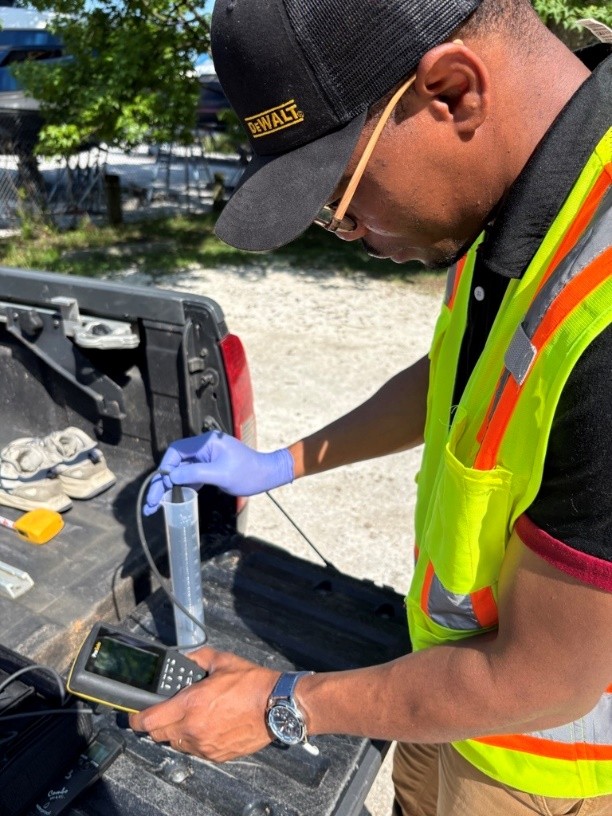
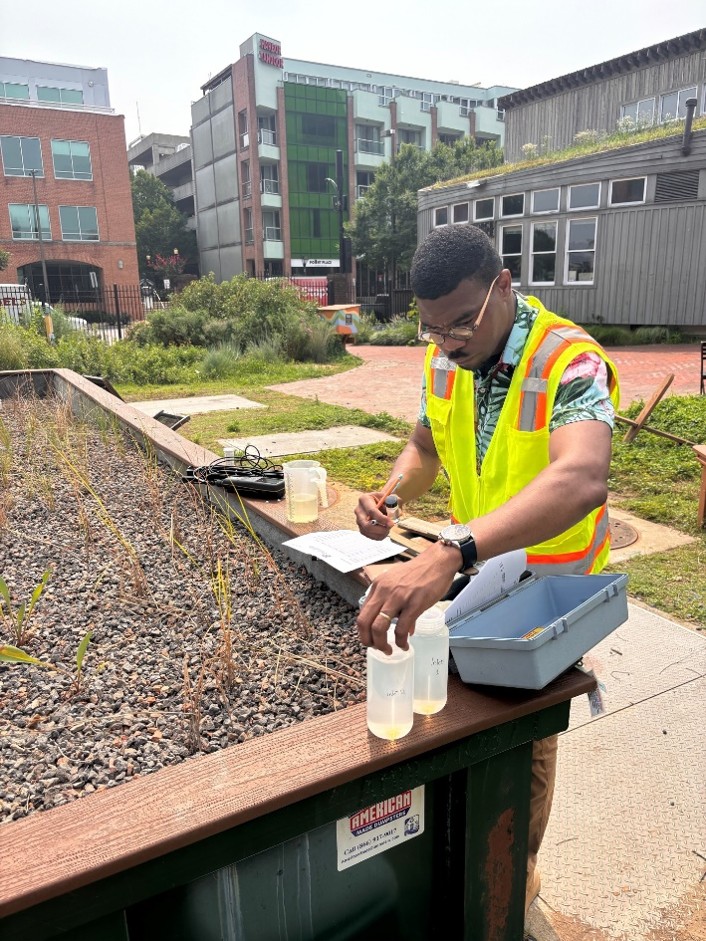
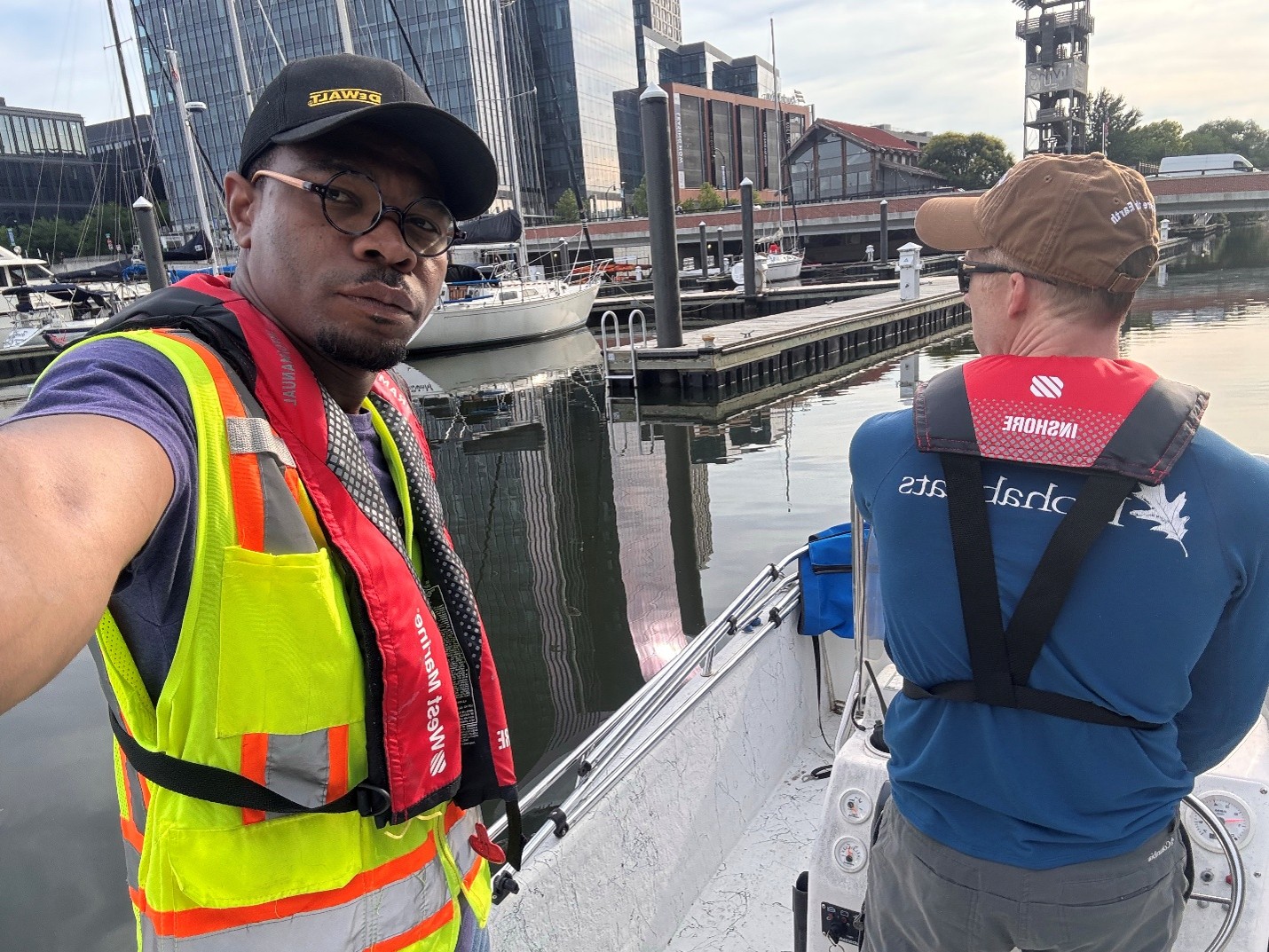
Another memorable experience was supporting shoreline restoration initiatives associated with the Chesapeake Bay. To improve shoreline resilience and water quality while helping municipalities meet Total Maximum Daily Load (TMDL) requirements and earn MS4 restoration credits, Biohabitats has designed innovative nature-based shoreline protection systems. I had the unique opportunity to support the Tidal Planter and Floating Wetland projects at the Living Classrooms Foundation, where I was responsible for collecting water samples for water quality analysis to evaluate treatment performance. Seeing these nature-based solutions operating in the field reinforced my appreciation for how ecological restoration can address both environmental and community needs.
Beyond these projects, I was exposed to several other initiatives led by Biohabitats’ multidisciplinary teams. Every project demonstrated the value of integrating environmental engineering, ecology, hydrology, landscape architecture, environmental planning, and community engagement to develop resilient and sustainable solutions. Working alongside professionals from diverse disciplines broadened my perspective on how collaborative approaches can effectively address complex environmental challenges.
Reflecting on the past two months, I am deeply grateful for the mentorship, collaboration, and hands-on learning opportunities I have received from the Biohabitats team. This internship has expanded my technical skills in GIS, wetland science, ecological restoration, stream assessment, stormwater management, environmental monitoring, and field investigations, while deepening my appreciation for the role that interdisciplinary collaboration plays in delivering sustainable environmental solutions.
I am especially grateful to Keith Bowers, Founder, and Ted Brown, Chief Executive Officer, who took time from their busy schedules to connect with the interns and share their insights and experiences. Their engagement reflected Biohabitats’ commitment to fostering the next generation of environmental professionals. I would also like to extend my sincere appreciation to Tanaira Tuffour, Internship Coordinator, and Katie Talley, Chesapeake (CHES) Bioregional Team Leader, for their guidance, encouragement, and unwavering support throughout the internship. Finally, I am thankful to every member of the Biohabitats team who welcomed me onto their projects, generously shared their knowledge and expertise, and made this experience both professionally enriching and personally rewarding.
As an environmental engineer, this experience at Biohabitats has further strengthened my passion for advancing nature-based solutions for sustainable water and wastewater management. More importantly, it has reinforced my belief that the most impactful environmental solutions emerge through the integration of engineering innovation, ecological science, and collaborative partnerships. I look forward to building on these experiences as I continue my professional journey, developing resilient, sustainable, and community-centered solutions that protect natural ecosystems while improving the quality of life for the communities they serve.
Thank you!