We built Biohabitats around the idea of bioregionalism more than four decades ago, organizing our practice by bioregions because conserving and restoring nature requires authentic intimacy with place.
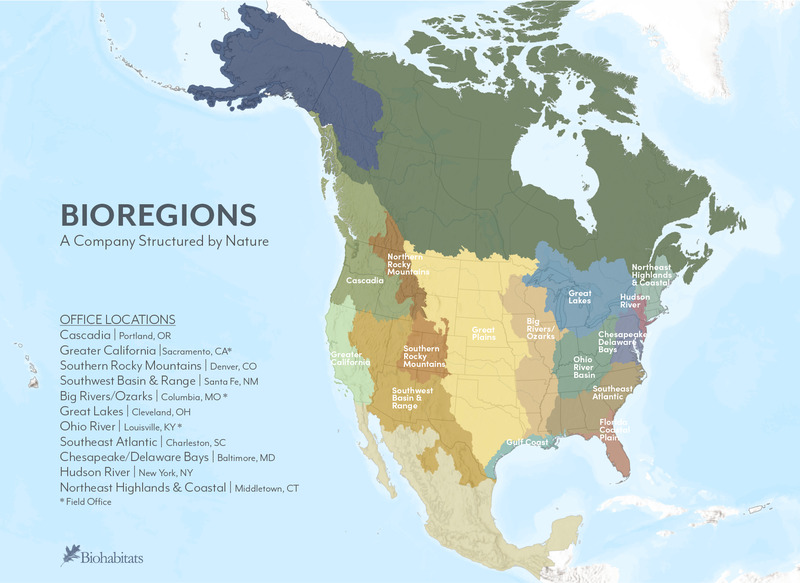
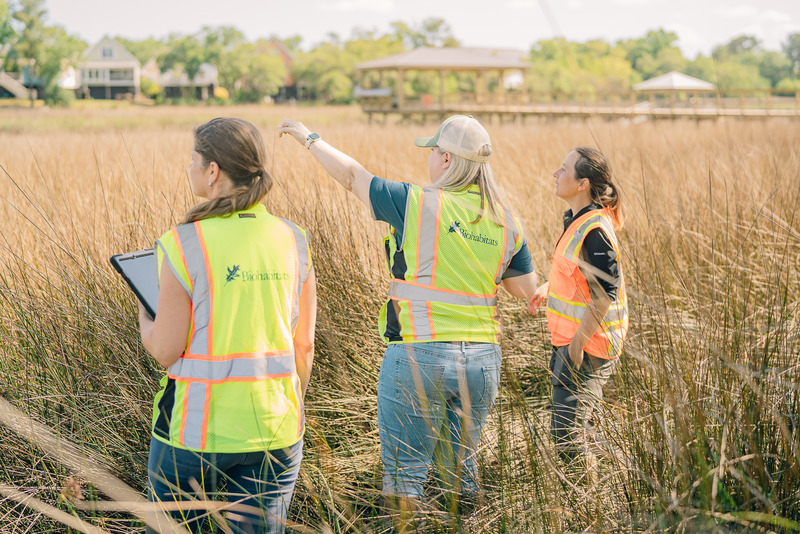
Our teams forge long-term relationships with the watersheds, more-than-human species, and communities where they work. The bioregional boundaries we use reflect ecological and cultural patterns, and they’re flexible enough to honor the transition zones between one region and the next.
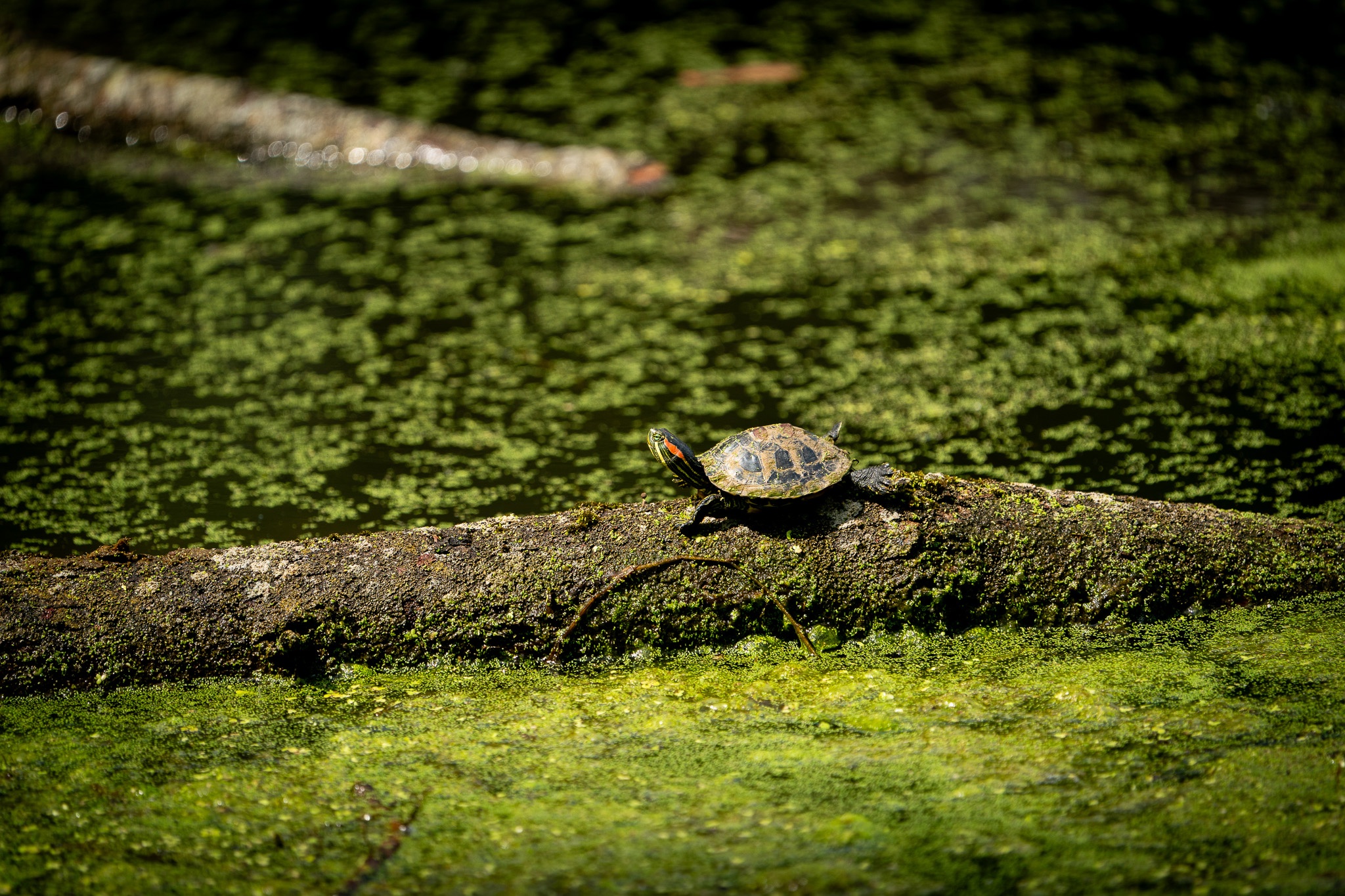
This shapes how we think about projects, too. A river restoration project is inherently linked to its watershed. A wetland connects groundwater, wildlife, and floodplain. A coastal resilience project participates in a living system of tides, sediment, and rising seas. And a rare species is intricately tied to its habitat, gene dispersal mechanisms, movement patterns, and food sources. Contracts define project boundaries but living systems define the true extent of our work.
Organizing Biohabitats around bioregions has not freed us from the political and economic systems within which we operate. Our projects are still permitted, funded, regulated, and procured through political jurisdictions whose boundaries rarely correspond with watersheds or living systems. We compete within an economy that rewards growth, consumption, extraction, and short-term financial return, while our mission asks us to take a flourishing, reciprocal, regenerative and long-term approach with place.
These contradictions keep us honest. Calling ourselves a bioregional company carries little meaning if a bioregion simply becomes a market territory. To be authentic, it must influence the work we pursue, the relationships we build, where we invest our time and money, how deeply we know a place, and how we measure success. Honestly, we are still learning how to do this. As long as we keep asking ourselves if this place has the capacity to sustain its diversity, relationships, ecological processes, evolutionary potential, and ability to adapt and renew over time, then I believe we are heart(ed) in the right direction.
The Turtle Island Bioregional Congress, an event dedicated to restoring balance between people and place by organizing around natural watersheds and ecosystems rather than political borders, recently reconvened after a seventeen-year hiatus, as part of Global Bioregional Month. Similar gatherings are bringing together people working on Indigenous sovereignty, watershed governance, regenerative agriculture, rights-of-nature, and community ownership. This is a resurgence that feels well-timed in an age of growing discontent with the current system.
So how can we embrace a more authentic, grounded, and relational approach with place? Here are some good places to start.
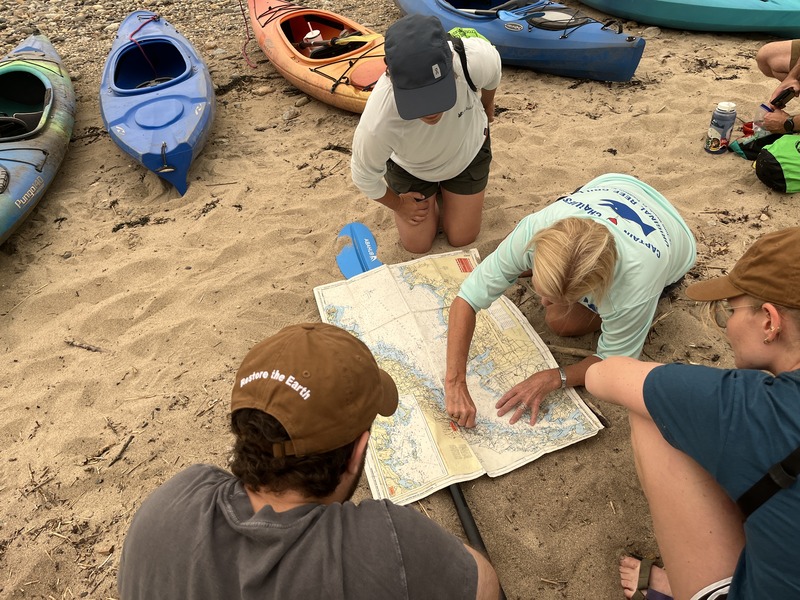
As individuals we can begin by learning the bioregion we call home. We can know where our water comes from and where it goes, learn the plants, animals, soils, seasons, cultures, histories, and Indigenous peoples that have shaped our place, and understand how our own choices affect the land’s health. We can buy from local farmers and businesses, invest locally, participate in watershed and community organizations, restore native habitat, conserve water, share knowledge, and become more engaged in decisions affecting our community. We can build relationships with neighbors and the more than human world by practicing reciprocity, giving something back to the places that sustain all of us.
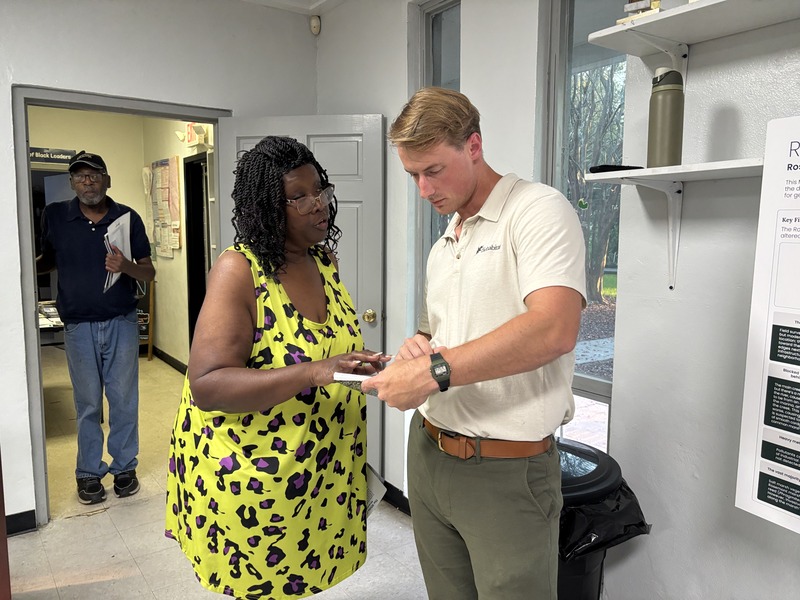
Businesses can start by understanding themselves as inhabitants of a bioregion and accountable to the places where they operate. They can learn where their water, energy, materials, labor, and capital come from, source more goods and services within the region, keep more wealth circulating through local economies, invest in the restoration of land and water, and build lasting relationships with Indigenous peoples and local communities. They can shape their operations around ecological limits, practice radical transparency about their impacts and tradeoffs, and measure success through the health of the business, the community, and the living systems upon which they all depend.
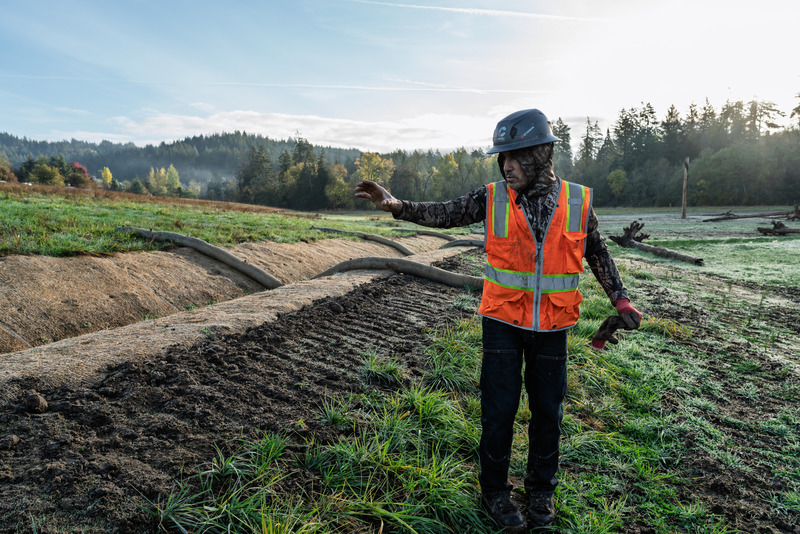
Governments can begin by recognizing that their jurisdiction is part of a larger living system. They can plan and collaborate at the scale of watersheds and landscapes, respect Indigenous sovereignty and knowledge, align land use with ecological limits, protect biodiversity and connectivity, strengthen locally rooted economies, and give communities and Nature a meaningful voice in decisions. They can practice radical transparency, measure the health of the places they govern, and make decisions with the 7th generation in mind.
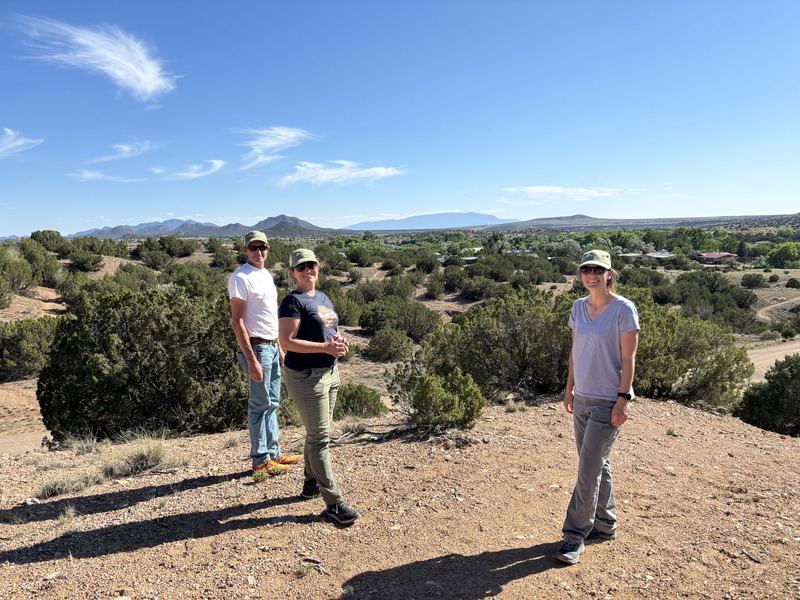
Ultimately, bioregionalism asks us to know where we are, know who and what we share that place with, understand what has been taken from it, and consider what needs to be returned. Robin Wall Kimmerer describes belonging to place as a reciprocal relationship: we receive the gifts of a place and, in turn, return our gifts to it. It asks us to live with the awareness that generations will follow us here and that our relationship with this place carries responsibilities to them. Global Bioregional Month of September may be ending, but we must never stop forging renewed relationships to our place, our community, our responsibilities, and our collective future.