FDR Park Wetland Mitigation
- Philadelphia
- PA
- United States
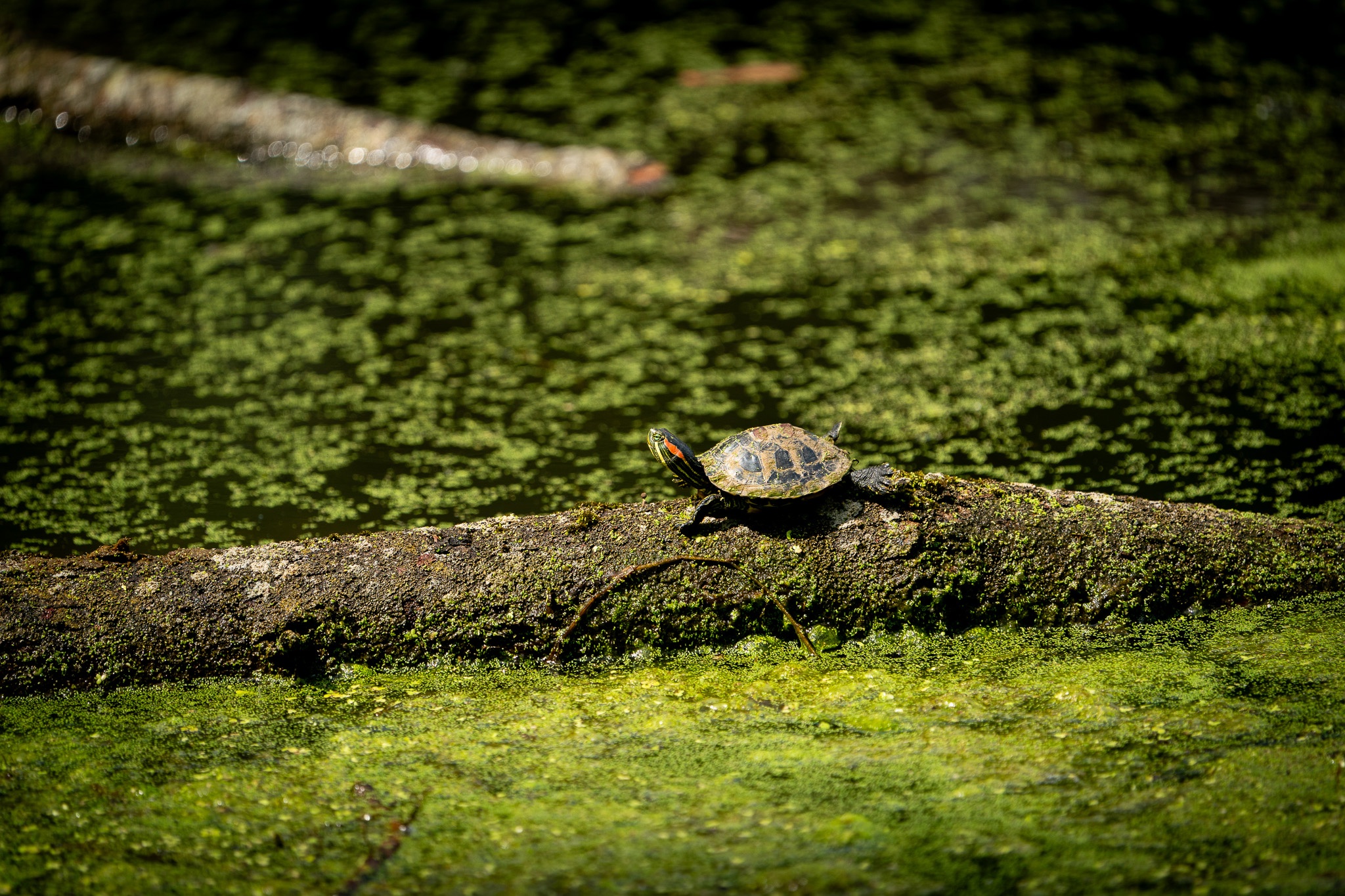
A 33-acre mitigation project creates rare, forested, tidal wetlands at Philadelphia's doorstep, while enhancing climate resilience for historic, low-lying FDR park.
The historic, 350-AC FDR Park is located at the confluence of the Schuylkill and Delaware Rivers, and very close to Philadelphia International Airport. It is also very close to sea level, and thus vulnerable to the impacts of a changing climate. Working with the Philadelphia Department of Parks and Recreation, the Philadelphia International Airport (PHL), and PIDC, Philadelphia’s public-private economic development corporation, Biohabitats transformed a neglected, 33-acre portion of the park into an ecologically functioning mosaic of tidal wetlands. The project mitigates impacts to low-quality wetlands caused by an airport expansion, while also advancing the park’s master plan to becoming a resilient, state-of-the art recreation complex.
Biohabitats conducted supplemental field studies of site resources to build upon feasibility studies conducted by PHL and support concept development. After meeting with stakeholders to gain feedback, Biohabitats developed design and construction drawings, led local permitting efforts, supported PHL with NEPA, State, and federal permitting requirements, and supported PHL in the construction solicitation and oversight.
The design factored in anticipated sea level rise and created 30+ acres of forested tidal wetland, a rarity in such an ultra-urban environment. Two-dimensional modeling optimized site grading to ensure that eventual sea level rise would not convert the wetland habitats to open water likely to draw waterfowl considered hazardous to airport operations. Soil excavated during the restoration was later repurposed to elevate park amenities such as ballfields. The project, which converted an illegal dumping site overrun with invasive plants into a native habitat featuring 7,000 new trees and thousands of shrubs and grasses, received a 2026 Governor’s Awards for Environmental Excellence.
TAGS
-
Owner: Philadelphia Industrial Development Corporation
-
Bioregion: Chesapeake/Delaware Bays
-
Ecoregion: Delaware River Terraces and Uplands
-
Physiographic province: Coastal Plain
-
Watershed: Lower Schuylkill River
-
Collaborators: Urban Engineers, WRT, Meliora, KS Engineers