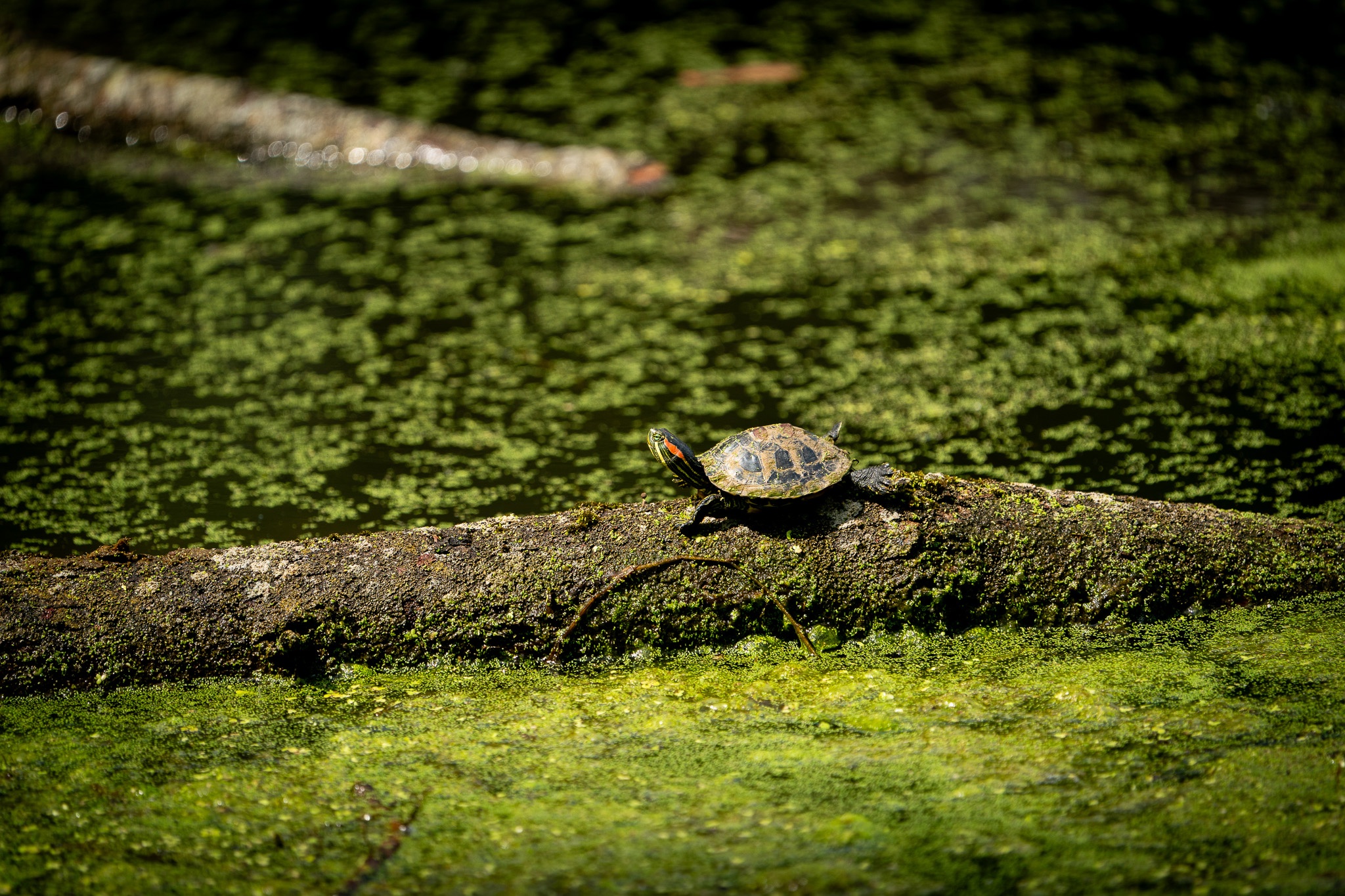
Camp Harry E. Daniels
- Elloree
- SC
- United States
An historic camp for underserved youth is reimagined to provide immersive educational and recreational experiences in nature.
Camp Harry E. Daniels was the only 4-H camp for Black children in South Carolina when it opened in 1949, and it continued to provide underserved youth with educational and recreational experiences until it ceased operations in 1994. Fortunately, South Carolina State University, which owns the property, sought to reimagine and reopen the historic camp in a way that would honor its rich history while creating state-of-the-art facilities, outdoor amenities, and programming spaces for a wide range of educational, recreational, and leadership activities.
After completing the first phase of the project, a 15,000-square-foot Research & Extension Center, the University began work to transform the camp into a year-round destination with upgraded infrastructure, modern lodging, interactive learning environments, and gathering spaces that inspire collaboration, growth, and connection to nature. As ecological consultants on a team led by MOA Architecture, Biohabitats helped ensure that the protection, restoration, and stewardship of local ecology was integrated into the reimagined camp’s design and programming.
Biohabitats began by performing an ecological assessment of the property, which included wetland and tree stand characterizations, preliminary RTE species surveys, and the identification of sensitive habitat and conservation areas and restoration opportunities. Biohabitats then provided the team with siting input and a map of recommended ecological zones to consider in design. Collaborating with the design team, incorporating both ecological findings and stakeholder input, Biohabitats prepared planting design plans for work related to ecological conservation, restoration, and learning opportunities within the campus.
TAGS
-
Owner: MOA Architecture
-
Ecoregion: Atlantic Southern Loam Plains
-
Physiographic province: Coastal Plain
-
Watershed: Lake Marion-Santee River
-
Collaborators: MOA Architecture