In This Issue
By Amy Nelson
Across the planet, in terrestrial, freshwater, and marine ecosystems alike, invasive species are reshaping habitats and food webs as they crowd out and outcompete native plants and animals. The United Nations’ Intergovernmental Platform on Biodiversity and Ecosystem Services considers invasive species to be among the top five major drivers of global biodiversity loss. As practitioners and supporters of conservation and ecological restoration, we see these impacts firsthand. And we’re not just talking about plant and animal kingdoms. A study published earlier this year in Current Biology found that the Asian fungus Pleurotus citrinopileatus, is now threatening fungal biodiversity in North American forests.

Among the many ways communities and practitioners are attempting to prevent and contend with invasive species, a delicious response has taken root: eat them.
Join us as we bite into the topic of eating invasive species. We begin by chatting with Dr. Joe Roman, a conservation biologist and “editor n’ chef” of the website eattheinvaders.com.
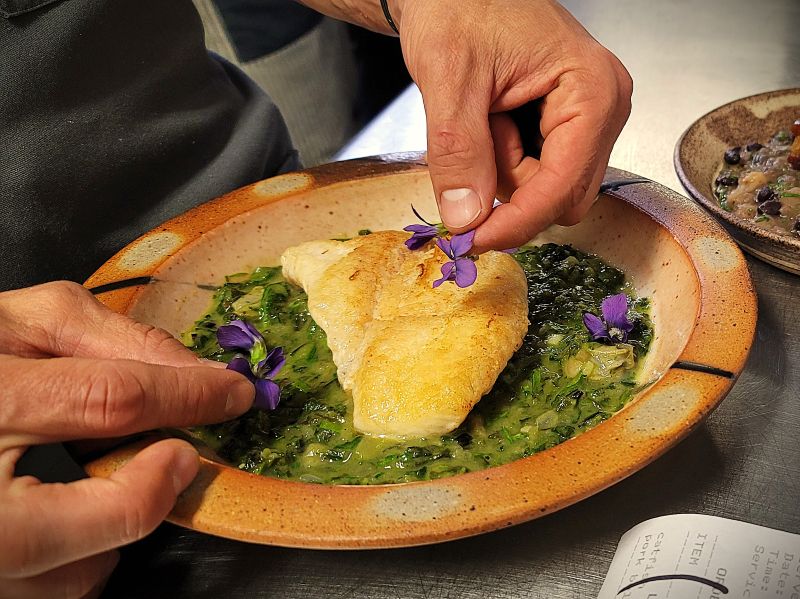
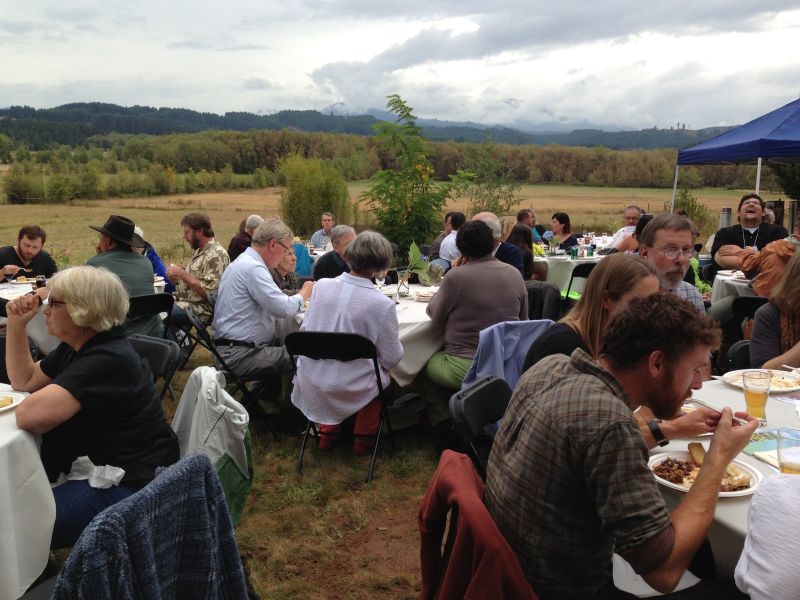
We also learn about some imaginative and highly celebrated chefs who are turning the problem of invasive species into a culinary opportunity and a new form of environmental outreach. Leaf Litter’s nonprofit spotlight shines on the Institute for Applied Ecology, whose annual Invasive Species Cookoff has brought people to the table to consume and discuss some of the most problematic nonnative plants and animals in the American West.
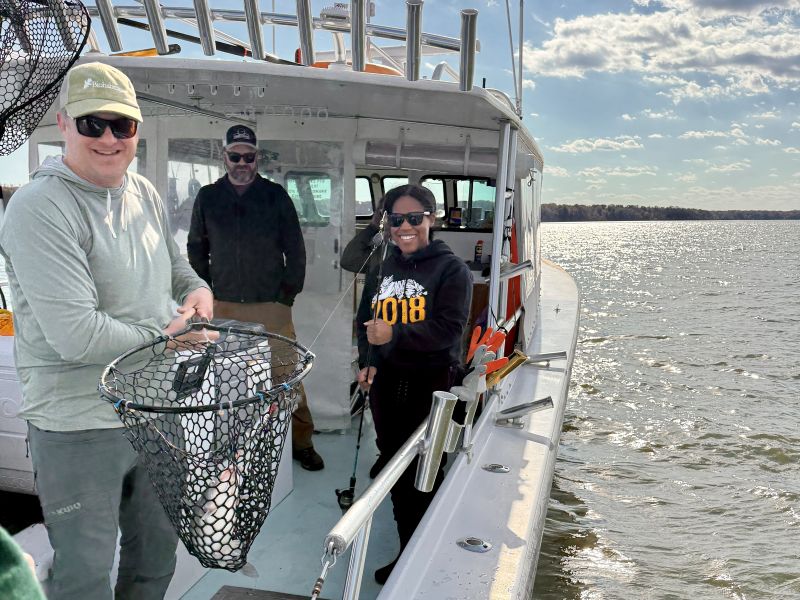
Biohabitats Senior Water Resources Engineer and avid angler, Brett Long, reflects on a recent team trip to fish for invasive blue catfish (Ictalurus furcatus) in the Potomac River. We also share recipes, resources, and as always, an update on the latest Biohappenings.
The idea to eat invasive species is not embraced by everyone. Critics are concerned about the risks associated with the commodification, unsafe harvesting, and unintentional spread of invasive. Pull up a chair and dig in as we explore the ethics, safety, potential impacts, and gastromonic delights associated with putting invasive species on the menu.