Biohabitats Projects, Places & People
By Quinn Caralle
ASLA’s New Climate & Biodiversity Action Plan Now Available
Landscape architects, and those who teach and study landscape architecture, hold tremendous power to address the intertwined crises of biodiversity and climate. Thanks to the American Society for Landscape Architects (ASLA), they now have an updated plan, complete with design strategies, to help put that power into action: the Landscape Architecture 2040: Climate & Biodiversity Action Plan.
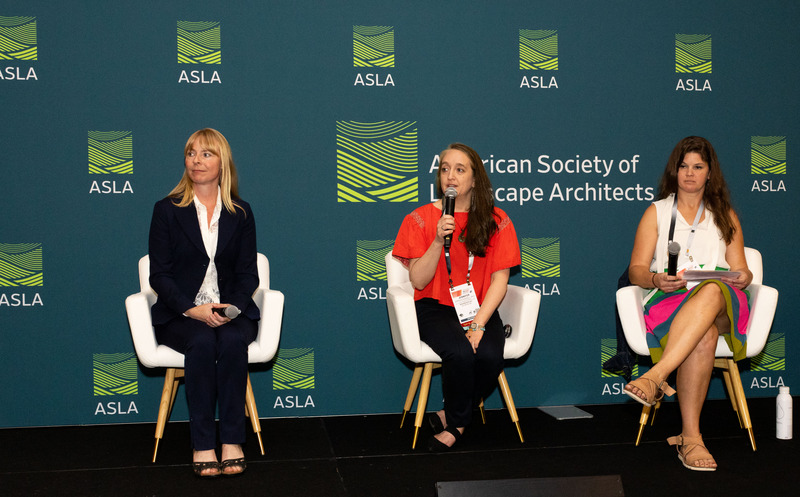
As Biodiversity Lead on the ASLA’s Climate & Biodiversity Action Plan Task Force, Biohabitats’ Practice Leader Jennifer Dowdell played a key role in the development of the new plan. Biohabitats’ founder, Keith Bowers, also contributed to the plan as a member of the Advisory Group.
Released this fall, the Landscape Architecture 2040: Climate & Biodiversity Action Plan is crafted around the bold, yet achievable vision that by 2040 all landscape architecture projects will:
- Achieve zero greenhouse gas emissions and double carbon sequestration from business as usual.
- Protect, conserve, restore, enhance, and manage biodiversity
- Provide significant economic benefits in the form of measurable ecosystem services, co-benefits, and livelihoods.
- Address climate and biodiversity injustices, amplify the power of communities, and increase the equitable distribution of climate and biodiversity investments
ASLA’s new plan, a robust update to its previous Climate Action Plan and Field Guide to Climate Action, presents design strategies that can address biodiversity and climate issues together. This reflects ASLA members’ conviction that climate and biodiversity crises must be considered equal priorities.
Projects
East Fork Lewis River Reconnection
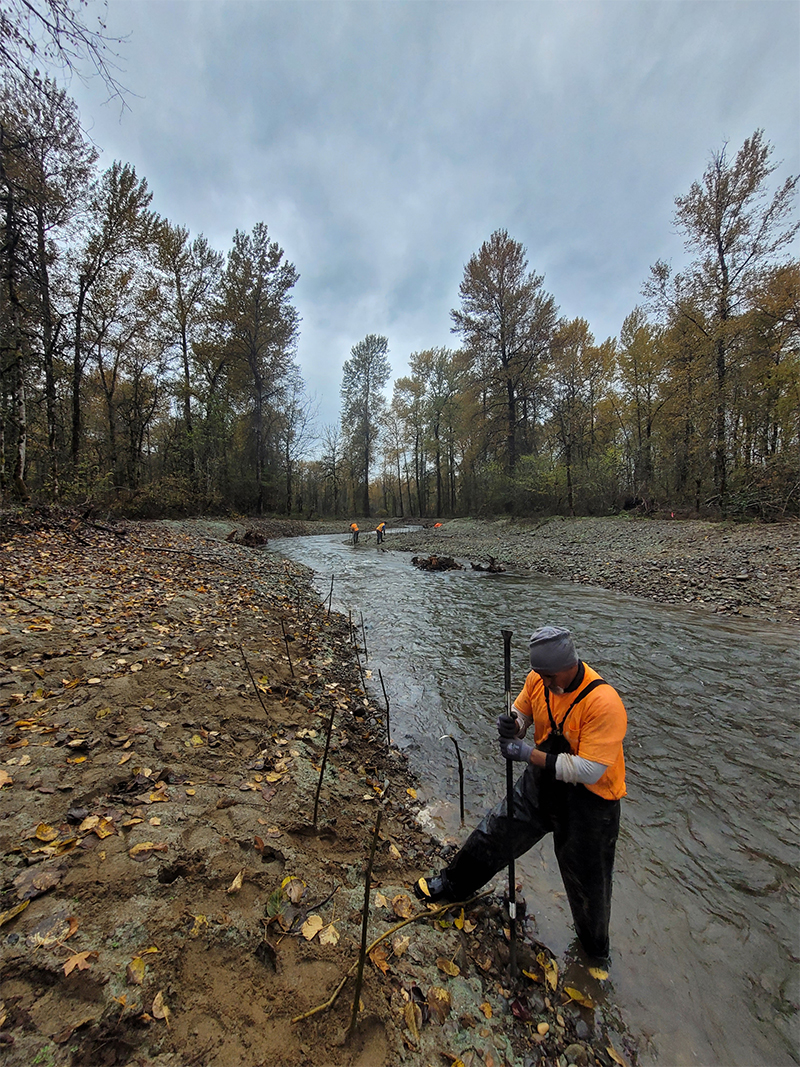
Once a complex, multi-channel river and wetland habitat, the East Fork Lewis River lost its connection to a vast floodplain after decades of development and gravel mining. Altered to a single channel, the river’s flow was no longer beneficial to native fish species.
To reduce flood and erosion risk, improve recreation opportunities, and restore vital habitat, the Lower Columbia Estuary Partnership initiated the East Fork Lewis River Reconnection Project. Biohabitats was contracted by the Partnership to revegetate and provide invasive species management on a recently restored three-mile portion of the river.
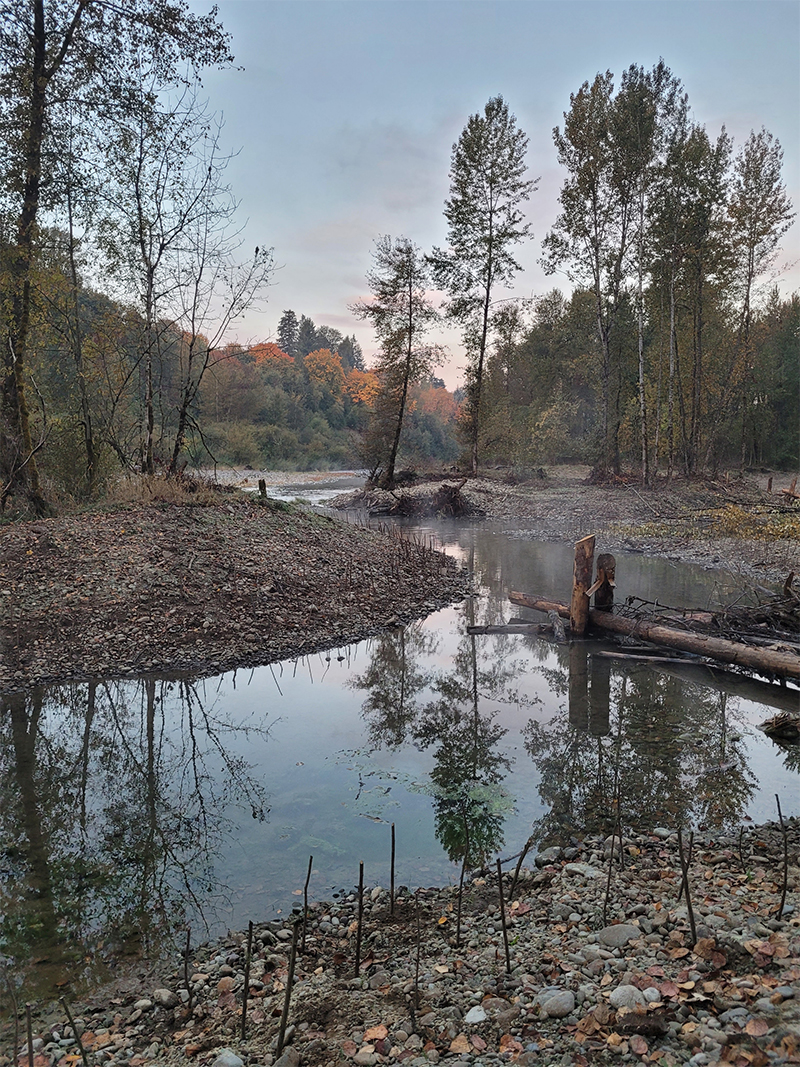
This fall, Biohabitats applied herbicide and removed invasive species before planting over 150,000 native riparian species, including willow and cottonwood cuttings, bare root plants, wetland plugs and seeding. Biohabitats will also provide ongoing maintenance and planning through fall 2027. For more information, please contact Construction Operations Team Leader Michael Peterson.
Watershed Restoration Through Integrated Design-Build
In a comprehensive large rivers study, the Ohio Environmental Protection Agency (EPA) identified the Clear Fork Mohican River as the only river in Ohio to have experienced a significant decline in water quality between 1980 and 2020, due largely to the impacts of agricultural runoff.
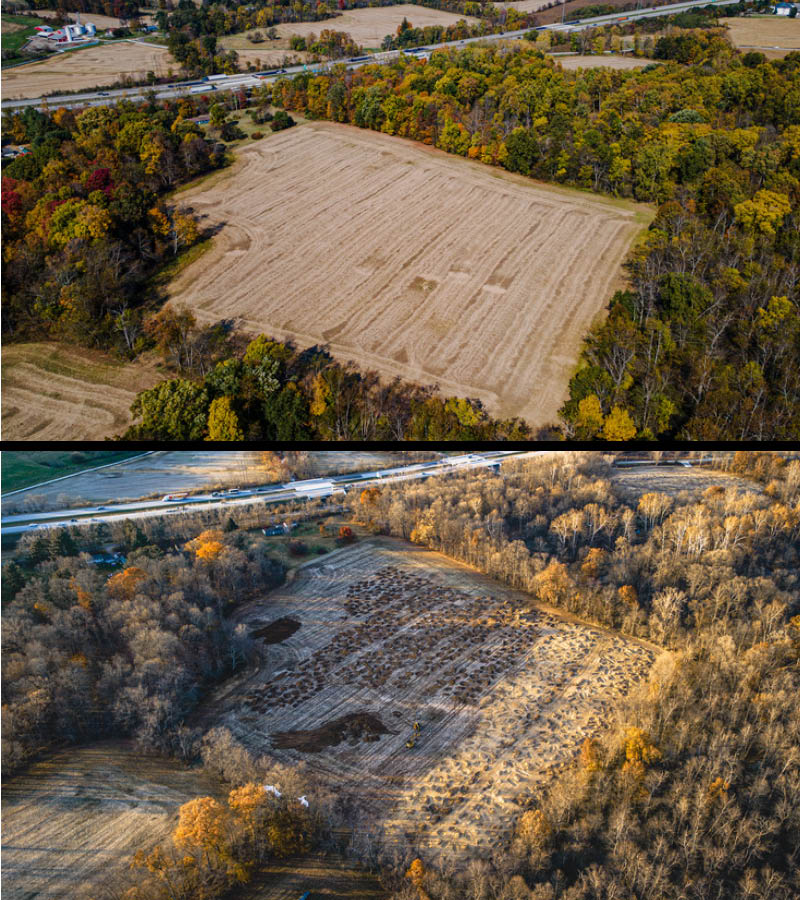
More than 4,600 linear feet of the river and its tributaries flow through a piece of agricultural property that had been donated to the West Creek Conservancy (WCC) for permanent conservation. Modified for agriculture and other land uses, and draining into 63 square miles of watershed, the portion of the Clear Fork mainstem located on the property had become degraded and was ultimately listed by the U.S. EPA as Impaired for Aquatic Life Use and Recreation due to its channelization, sedimentation, and habitat modifications.
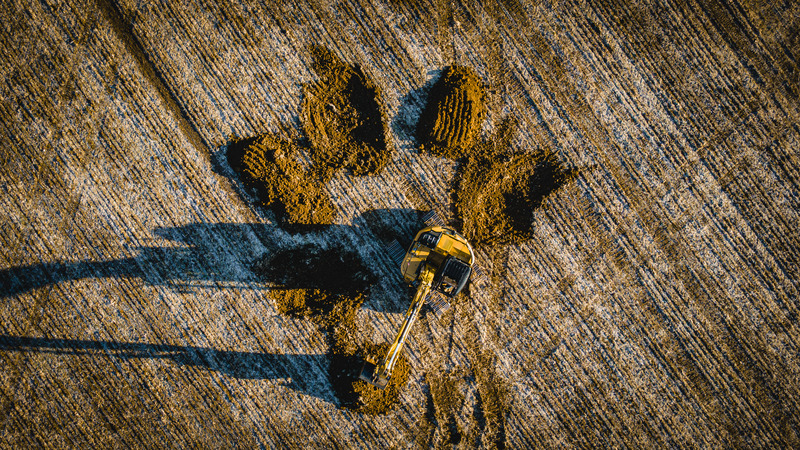
With the goal of transforming 17 acres of the property’s former agricultural fields into riparian forest and wetland habitat, WCC and its partner, the Richland County Park District, turned to Biohabitats for help with design and implementation. Featuring microtopography grading (hummock & hollow and vernal pools), the restoration design restored floodplain function to the Clear Fork Mohican mainstem and tributaries, creating a vegetated buffer to protect the river from adjacent agricultural areas and roads, and re-establishing a mosaic of forested and riparian wetlands.
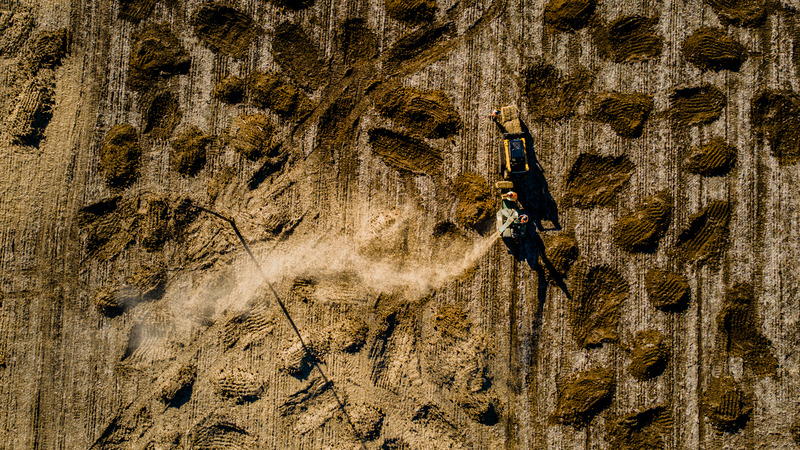
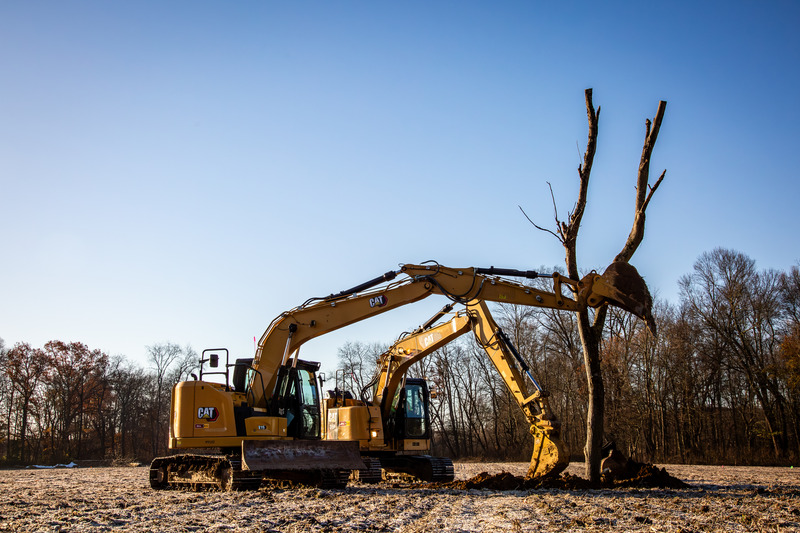
When asked about the project, Biohabitats’ Senior Construction Coordinator Jim Favret said “This was super exciting because it was one of Biohabitats’ first forays into a fully integrated design-build project where we brought in our own construction team, and it was a pleasure to work with Matt Koozer and the Biohabitats Construction crew. For this project we used a hummock and hollow approach. That approach is economical in the sense that it involves a small complement of heavy equipment and very little ground labor. We had large fields graded and stabilized in a matter of weeks.”
For more information, please contact Senior Landscape Ecologist and Great Lakes Bioregion Team Leader Kevin Grieser.
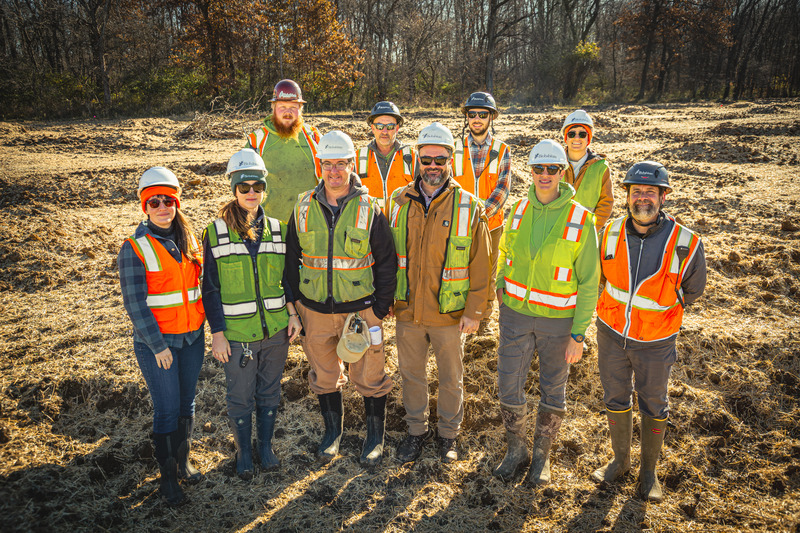
The Return of the Sturgeon
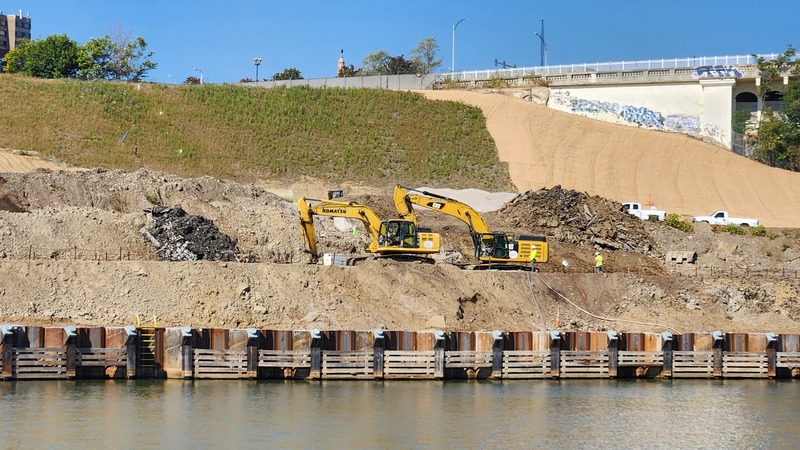
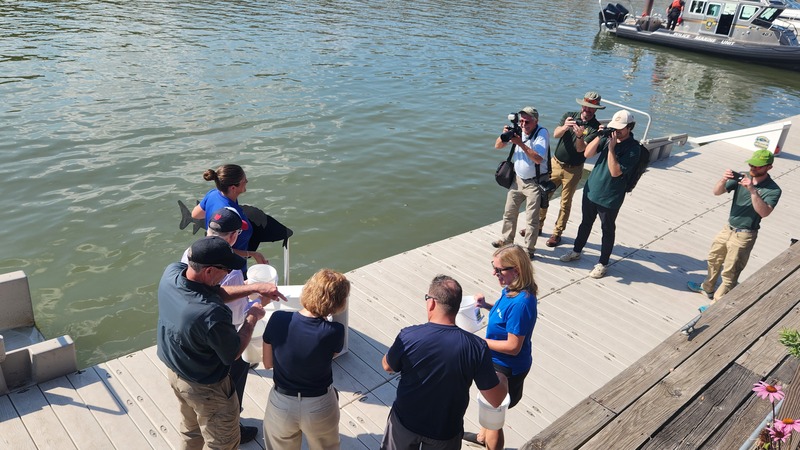
In October 2025, the Cuyahoga River Sturgeon Fest at Rivergate Park celebrated the return of the endangered lake sturgeon (Acipenser fulvenscens) to Northeast Ohio waters. Once common in Lake Erie, overfishing, pollution, and loss of habitat led to the decline of this prehistoric fish. Sturgeon Fest attendees gathered along the banks near Irishtown Bend, overlooking the future home of Irishtown Bend Park, to witness the first time that the species was publicly reintroduced into the improved river.
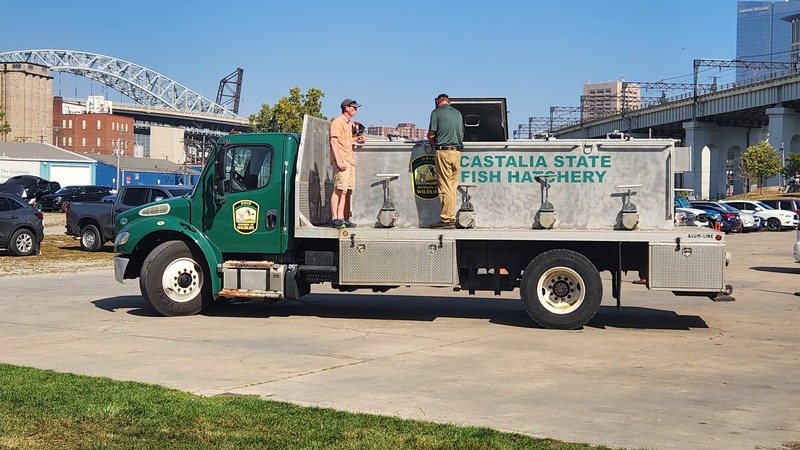
Thanks to the hard work of Cleveland Metroparks, Ohio Department of Natural Resources, Northeast Ohio Regional Sewer District, the Great Lakes Restoration Initiative, West Creek Conservancy, and other professional restoration organizations, water quality in the river is the best it’s been in decades. With 2,000 fish released on October 4th and with a plan for 1,500 fish to be stocked annually over the next 25 years, clean water infrastructure provided by projects like the Green Bulkhead at Irishtown Bend will ensure that sturgeon and other species can thrive for generations to come.
After it was cleared in the mid-20th century to accommodate river dredging and widening, Irishtown Bend’s vacant hillside became a risk for collapse into the Cuyahoga, and a multi-phase effort was launched to stabilize the hillside and transform it into a public green space. Slope stabilization involved armoring the shoreline with a bulkhead deemed essential to prevent collapse. As the stabilization team’s ecological consultant, Biohabitats improved the bulkhead design so that it maximizes ecological value and habitat within narrow design constraints.
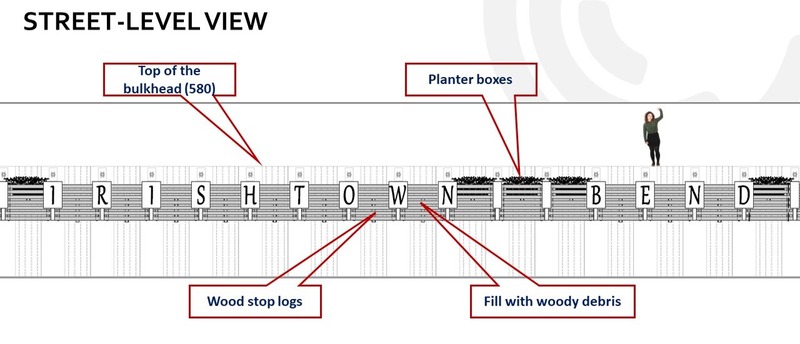
Biohabitats explored a variety of options to soften the shoreline before deciding on the final design of green bulkhead habitat structures within the crenulations of the bulkhead. Planter boxes were installed on every third crenulation and planted with overhanging vines to provide shade. The design includes a stormwater-fed system to irrigate the planter boxes, and Biohabitats also designed the planting plan for two stormwater ponds that are fed by groundwater and stormwater runoff to create a rich emergent wetland that will ultimately become part of Irishtown Bend Park.
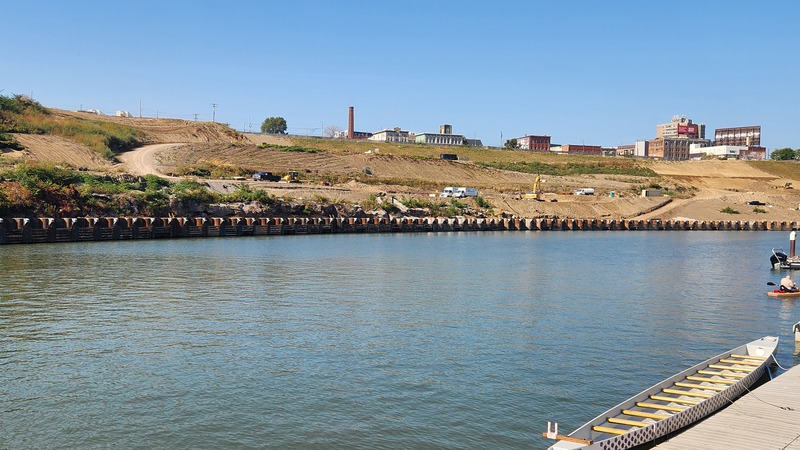
For more information on the Irishtown Bend Green Bulkhead project, please contact Senior Project Manager and Ecologist Tom Denbow.
A Healthier Marsh for a Resilient Community
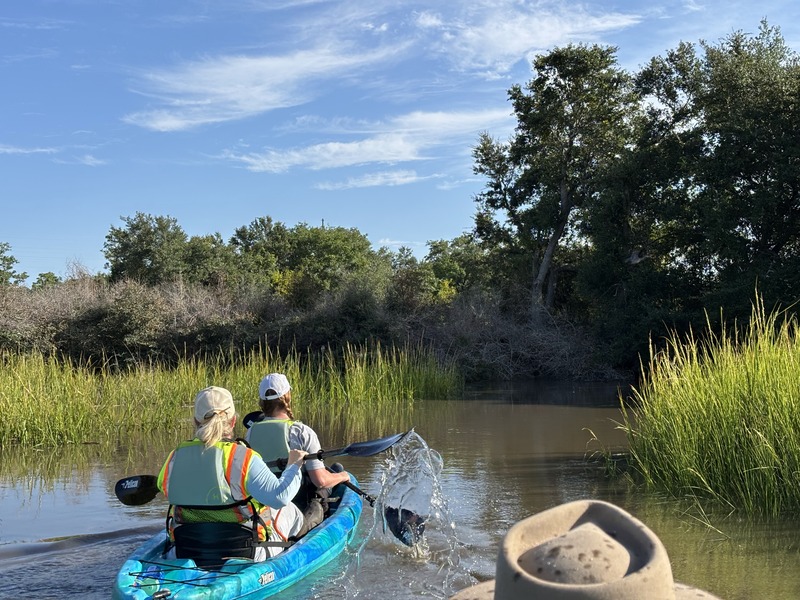
For the Rosemont community, located in the “neck” of the Charleston peninsula, tidal marshes are more than habitat. They and their marsh are a first line of defense against the escalating threats of storm surge, flooding, and sea level rise. Working alongside the Sustainability Institute, City of Charleston, AmeriCorps members, and local stakeholders, Biohabitats is evaluating the condition and function of the tidal marsh, tidal creeks, and riparian lands surrounding Rosemont to better understand and enhance the role of natural systems in protecting it.
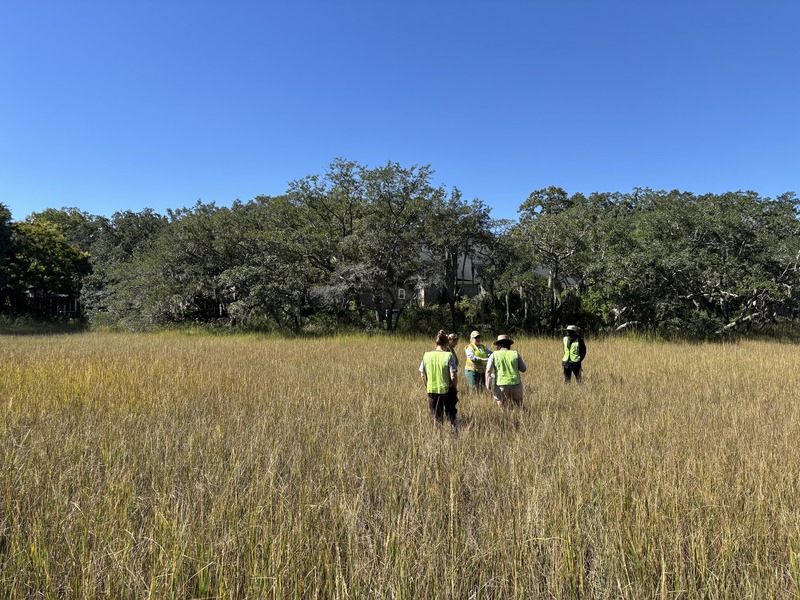
“We’re learning that there is a lot going against this marsh but it, just like the people who live here, is resilient. It’s hanging in there,” said Nolan Schillerstrom, Conservation Biologist at Biohabitats, when asked about the project. “We’re collecting a lot of water quality data and information about the health of the Rosemont marsh, and some of it is quite troubling. We plan to use all of that information to help make it healthier and more resilient into the future.”
The 12-14-month Marsh Resilience Study combines ecological, hydrological, and social dimensions to ensure both scientific rigor and community relevance. Fieldwork includes habitat assessments, water quality sampling, and vegetation surveys, with AmeriCorps members playing a central role in data collection. Their involvement not only expands project capacity but also provides hands-on training for the next generation of environmental leaders.
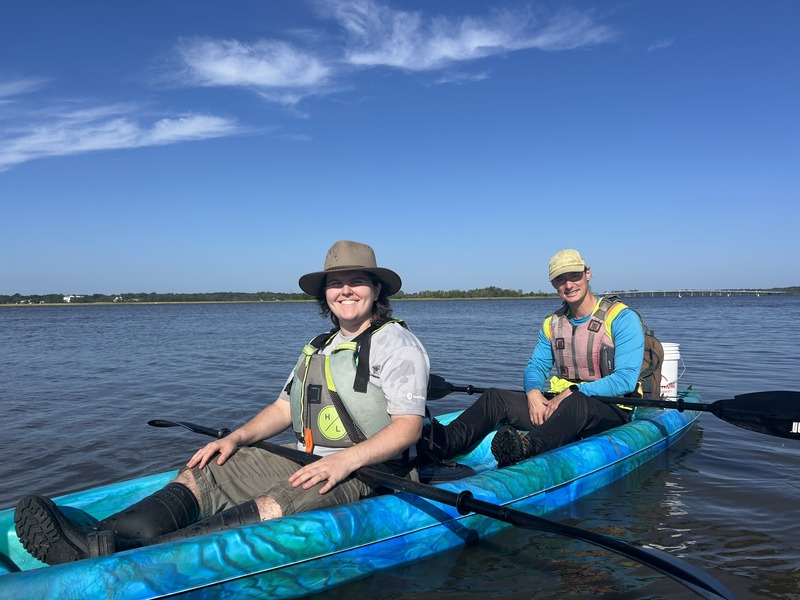
The study is generating critical scientific data to establish a comprehensive ecological and hydrologic baseline that can be used to monitor future changes in the marsh. At the same time, it serves as an educational platform, creating opportunities for residents, partners, and stakeholders to engage directly with the science of marsh ecology and the strategies that support long-term resilience. Study findings will directly inform the City’s Rosemont Flood Resiliency Plan, providing actionable, nature-based strategies to reduce flood risk, bolster community safety, and maintain access to the marsh for recreational and cultural uses. By integrating local knowledge and ecological science, the study aims to create a replicable model for marsh-based resilience planning in other marginalized coastal communities across South Carolina. For more information, please contact Senior Restoration Ecologist and Chesapeake/Delaware Bays Bioregion Team Leader Mike Trumbauer.
Beech Bluff County Park Natural Resource Management Plan
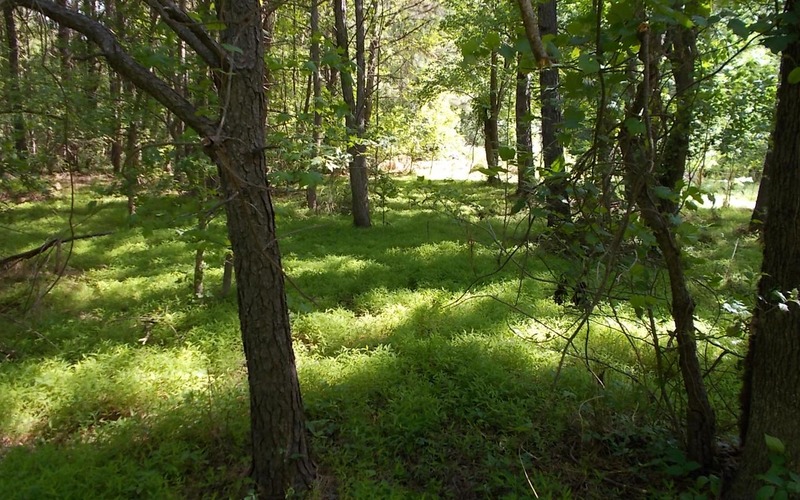
The 300-acre Beech Bluff County Park in Wake County, North Carolina, was recently awarded SITES Silver certification by the U.S. Green Building Council, making it the largest SITES project in North America and the first SITES project to earn Silver in the state! Historically used for farming since the late 1700s, the area features undeveloped forests, wetlands, streams, floodplains, and rock outcrops that support a diverse ecosystem. To serve a growing population, Wake County incorporated the land into its park system and transformed Beech Bluff into an ecologically sustainable and resilient community space.
As the ecological consultant on a planning and design team led by Surface 678, Biohabitats created a management plan to protect and restore the site’s valuable natural assets, which included guidance on invasive species eradication and control, native species establishment, and prairie and savanna maintenance. Biohabitats’ work helped achieve SITES accreditation, a comprehensive system for sustainable and resilient land development projects. For questions, please contact Senior Ecologist Kevin Nunnery. To help complete the certification process, Kevin provided detailed information on the site’s wetland and stream quality, and the design’s avoidance and minimization of development impacts.
Small Solution, Big Impact
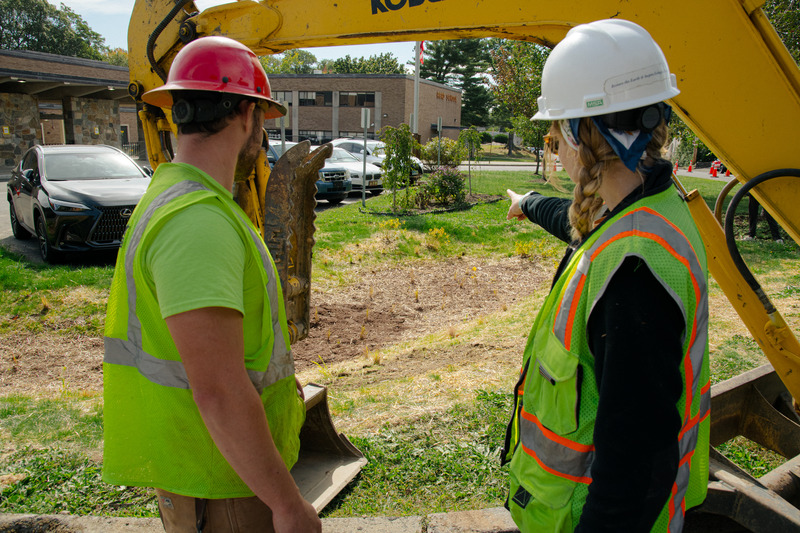
This fall, our Hudson River Bioregion team wrapped up their first design-build project. As part of The Nature Conservancy’s (TNC) partnership with the City of Bridgeport, TNC worked with Biohabitats and contractors Schumack Engineered Construction to improve ecological function and reduce stormwater runoff at two different sites near Bridgeport’s Read Elementary School.
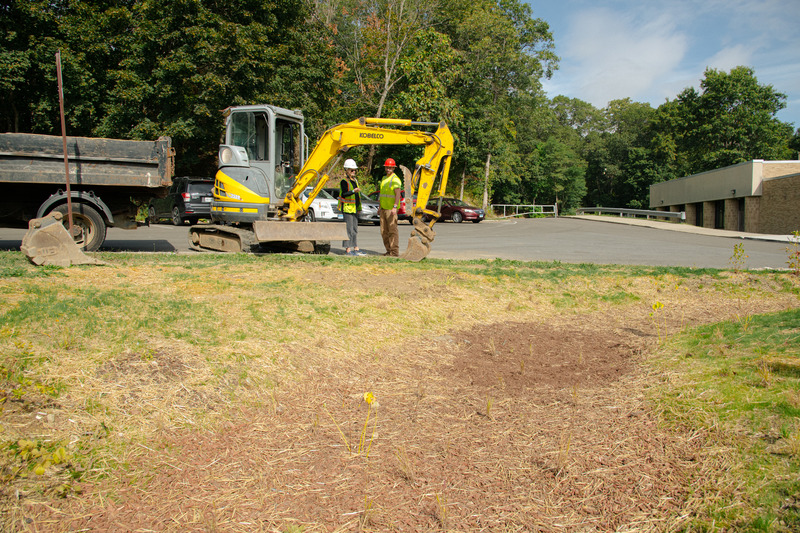
Ecological Designer Ellie Month led engineering and construction oversight on both bioretention retrofits. At the school, the project team regraded a small traffic island to capture runoff from the adjacent parking lot.
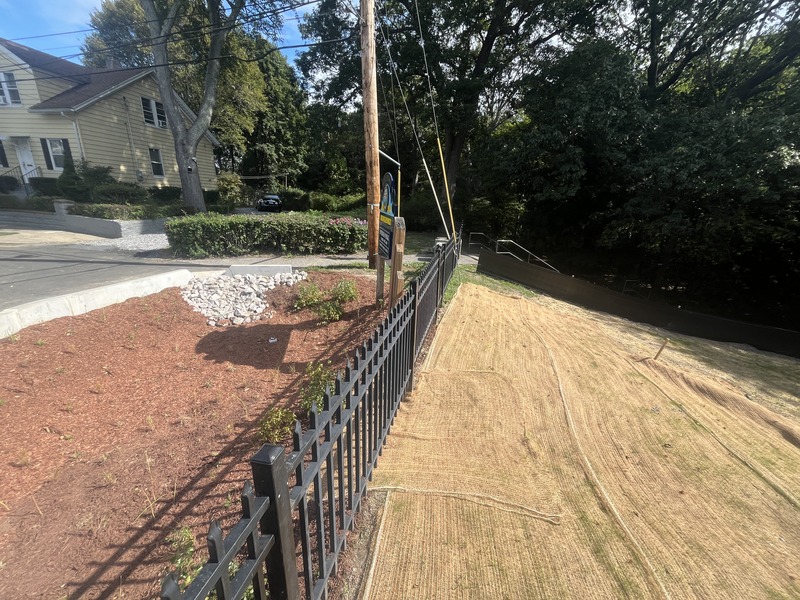
At the nearby Svihra Park, the location of the project site presented more constraints. Increased flooding issues were affecting the community near the park entrance and eroding the park’s slope. Intended as a place where students can safely access and experience nature, Biohabitats implemented a simple green infrastructure design to address these problems and keep the wooded area safe for students to use.
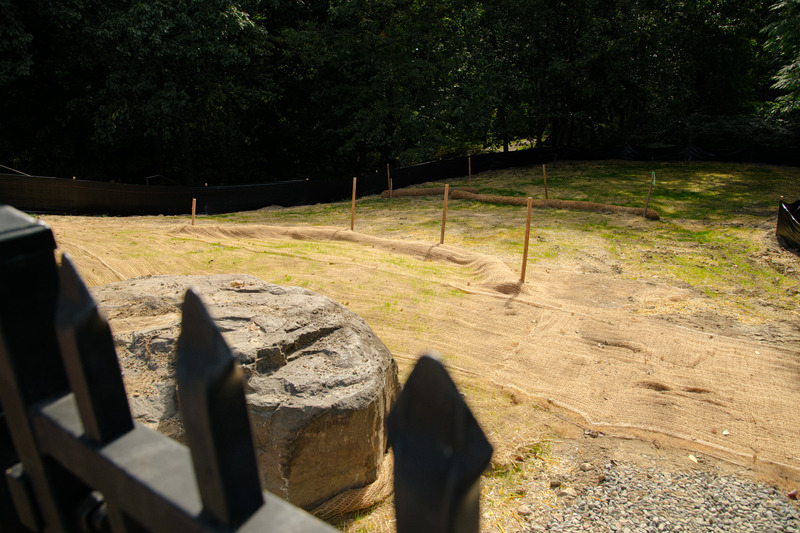
Biohabitats excavated a small bump-out to create a bioswale to capture and treat stormwater runoff that collects at the top of the slope. This small solution will make a big impact to improve water quality and reduce the amount of stormwater that flows towards Svihra Park.
For more information, please contact Senior Water Resources Engineer and Hudson River Bioregion Team Leader Kevin Dahms.
Removing the Highland Pond Dam
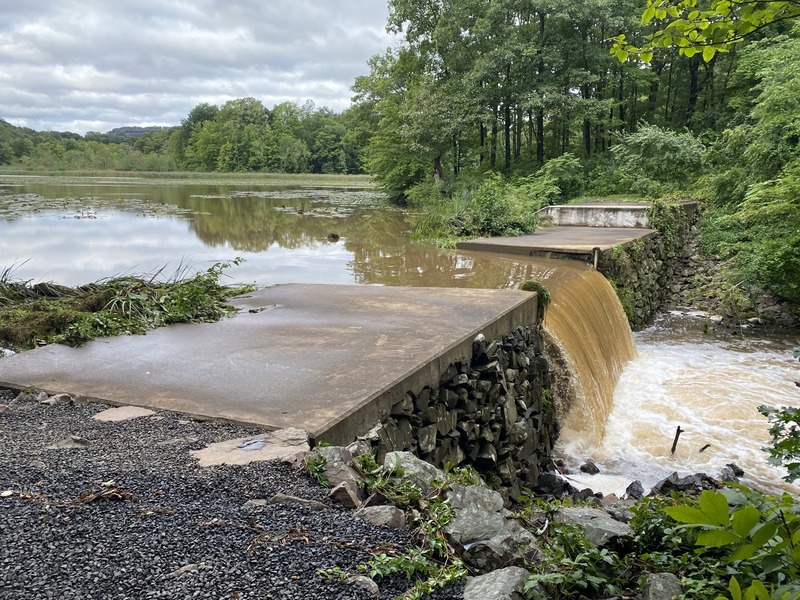
From its origin in Connecticut’s Higby Mountain, Sawmill Brook flows through Middletown to its confluence with the Mattabesset River. On its way, it was dammed by a 12-foot-high dam, not far from Biohabitats’ Northeast Highlands and Coastal Bioregion office.
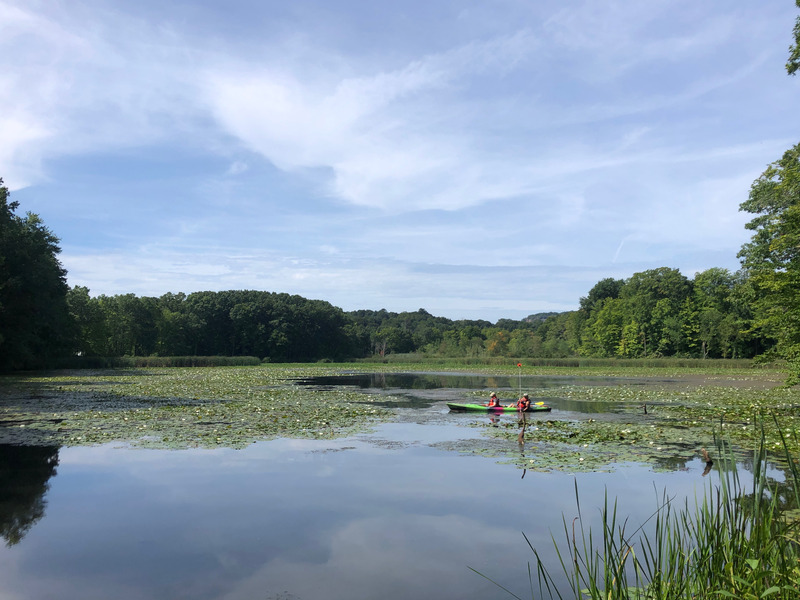
Constructed in 1875 as a local water supply, the dam created an 11-acre impoundment known as Highland Pond. Although the pond had become a prominent feature in Middlesex Land Trust’s 30-acre, wooded nature preserve, the dam was a barrier for migrating fish, such as alewife, blueback herring, and American eel.
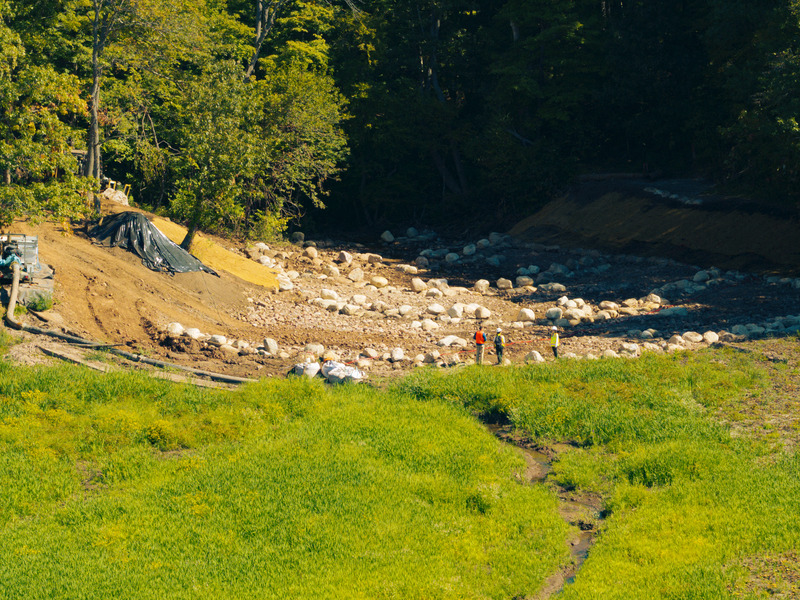
Biohabitats worked with the Middlesex Land Trust, owners of the dam and nature preserve, and RiverWork to develop a design to remove the dam, restore fish passage, and enhance ecological function along the Sawmill Brook corridor. Biohabitats began by conducting a field assessment, which included wetland delineation and soil probing, and topographic and bathymetric surveys. Biohabitats performed hydrologic and hydraulic modeling to characterize the stream and floodplain, evaluate the potential movement of sediment in the impoundment, and quantify the effects of dam removal on migratory fish passage.
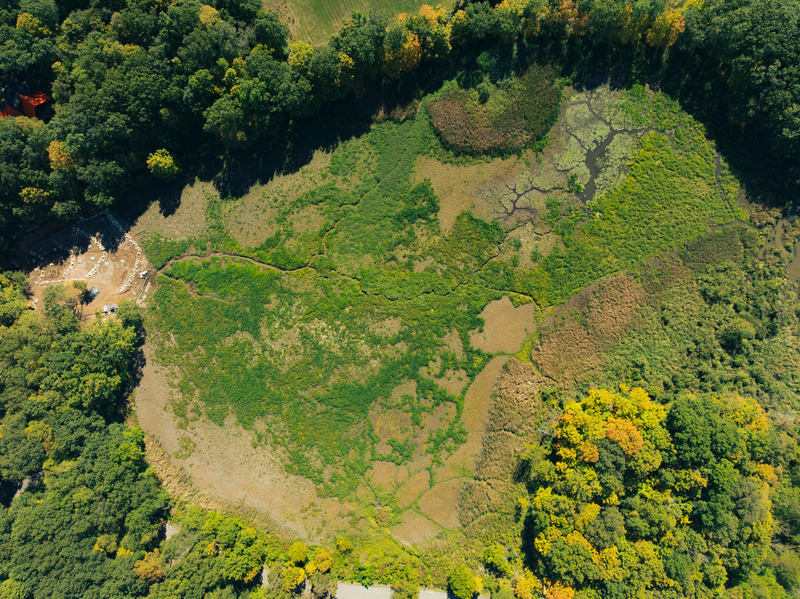
Biohabitats then crafted a design and supported permitting efforts to restore fish passage and ecological function to the riparian corridor while enhancing wetland function as possible. Relying on a mixture of engineered and passive processes, the solution integrated theories of Stage 0 restoration, added habitat complexity, stabilized a portion of the impounded sediment, and restored stream channel using a series of boulder cascades (weirs). It also took into account the local beaver population, allowing the beaver to naturally maniputlate the site and build ecological complexity through their activities. In 2025, SumCo Eco-Contracting removed the dam and constructed Biohabitats’ design, restoring several miles of upstream aquatic habitat.
As a benefit of our design, the process of dewatering Highland Pond allowed for the sediment seed bank, which had been naturally deposited by the watershed over decades, to establish within a month of draining the pond. The resulting germination of native grasses, sedges and native wildflowers made any active or supplemental seeding or planting efforts unnecessary.
Sawmill Brook now flows unimpeded to the Mattabesset River as intended. We are thrilled to see natural flow and the ecological function of the stream and wetland system return to this site so quickly.
Over a Decade of Ecological Analysis and Planning in Denver
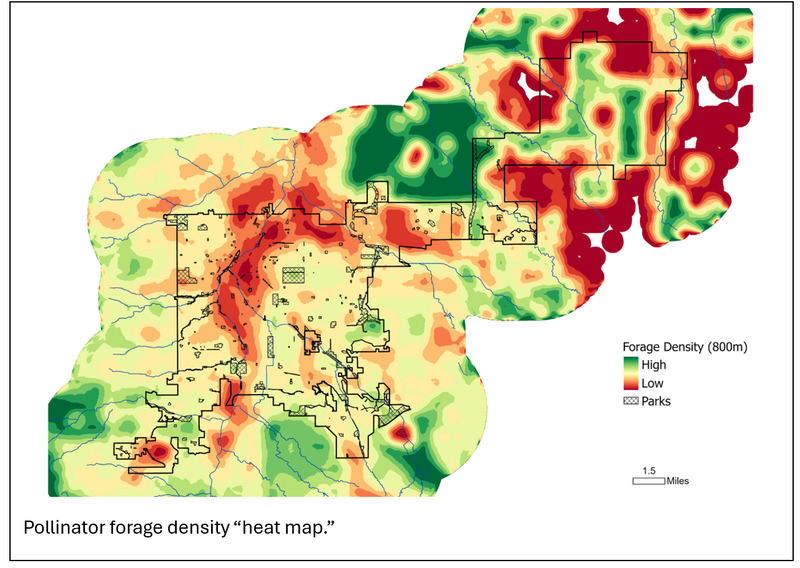
To help Denver become a more sustainable and resilient place for people where the local ecology thrives, Biohabitats has been working with multiple departments in the city and other conservation organizations to deepen the understanding of the natural systems at the heart of Denver’s urban landscape. Our current projects with the City and County of Denver build on nearly 15 years of ongoing environmental assessment and planning work for the city.
After identifying a gap in a previous regional-scale conservation mapping and analysis project, Denver Parks and Recreation (DPR) turned to Biohabitats to help complete an Urban Habitat Connectivity Study and gather a more comprehensive view of Denver’s existing ecological conditions. The study identified high-quality habitat areas and how they could be connected to meet habitat and foraging requirements for urban wildlife, with a specific focus on pollinator species and updating riparian and grassland models.
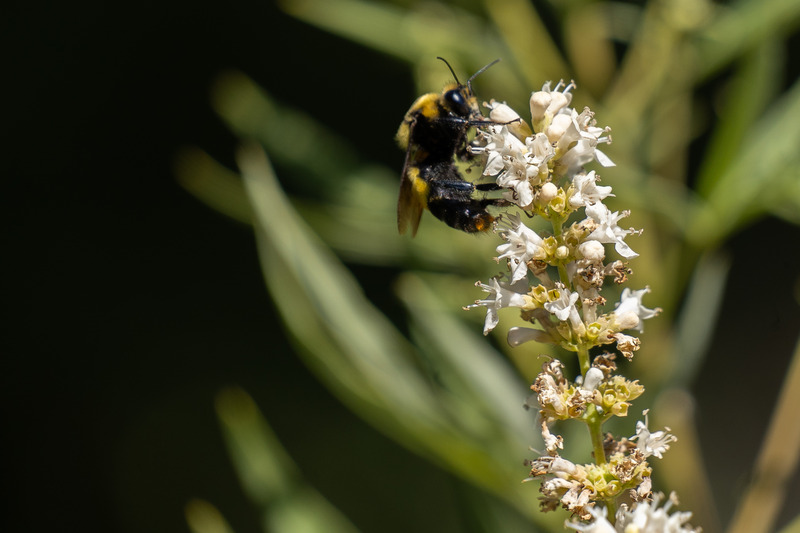
Biohabitats identified focal species, habitat requirements, and movement patterns before conducting a spatial analysis using high-resolution land cover and infrastructure data. Using Omniscape and Circuitscape models and assessing habitat quality and connectivity, the study analyzed the short-range bee species Halictidid (sweat bee) and the long-range bee species Bombus (bumblebee). Data inputs included source areas based on habitat type, patch size, edge condition, movement distances, and adjacent landscape permeability. The resulting analysis positioned DPR to make science-informed decisions regarding green infrastructure, new park/open space acquisitions, restoration, turf conversion, or landscape transformations through the lens of biodiversity and habitat connectivity.
For a 20-year Open Space Vision Plan, Biohabitats helped develop a city-wide ecosystem approach to prioritize stewardship strategies for parks and open spaces. These spaces are critical to community health and ecosystem resiliency but are facing multiple ecological stresses–including invasive species, climate change, degradation from encampments and recreation, and development-related impacts.
The plan supports a network of landscapes for biodiversity, ecosystem services, wildlife, and stewardship. Based on a robust, year-long client and stakeholder engagement process, the plan established values, criteria, goals, strategies, and priority actions. It also established the baseline categorization of existing urban open spaces and waterways, criteria for incorporating new open spaces, an adaptive management framework, and programmatic functions and resources needed for implementation.
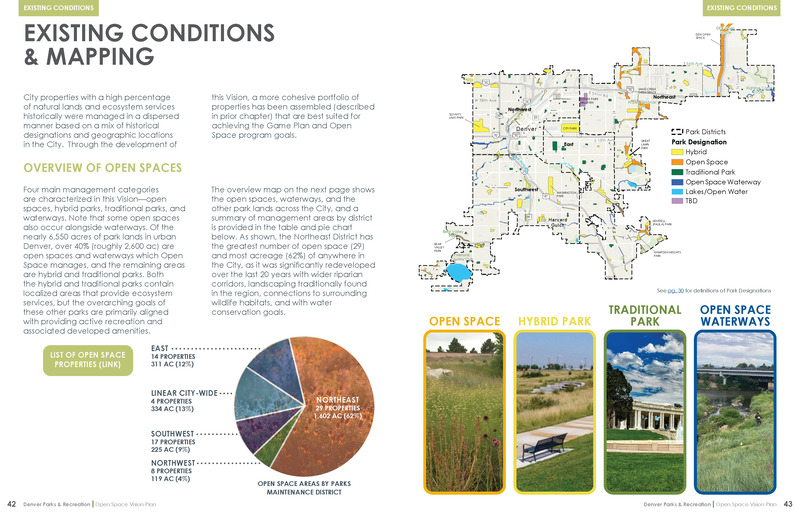
The plan concluded that about 36% of Denver’s 6,000 acres of parks should be classified as open space. Once the locations and values of these spaces were identified, Biohabitats helped the city develop strategies, actions, an adaptive management approach, and stewardship opportunities to address management, future planning, and restoration.
Another project that further builds on Biohabitats’ open space planning is Denver Public Schools Sustainable Landscapes. As part of this project, Biohabitats performed a desktop assessment of 30 Denver schools in relation to riparian areas and buffers, wetlands, 100-year floodplain, habitat connectivity, nearby parks, and heat severity. Biohabitats also helped the project team lead Superbloom Landscape Architecture to develop a maintenance manual and a sustainable landscape manual.
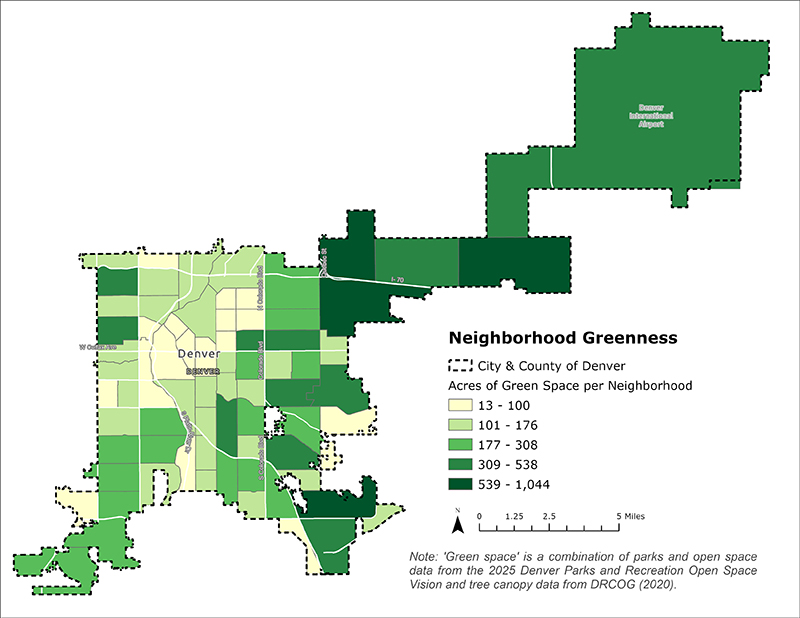
The information gathered during previous projects is also being used to inform Denver’s Resilient Landscape Code, a partnership between Denver Community Planning and Development and other city agencies. Once again teamed with Superbloom, Biohabitats is helping evaluate the existing code and recommend changes that align with Denver’s sustainability goals. The project will consider potential amendments to the Denver Zoning Code to update landscape requirements to better prioritize climate resilience. It is a unique experience to be involved in the analysis and planning of a major city’s ecology for over a decade, and Biohabitats is honored to have the opportunity to help Denver meet long-term environmental goals. For more information about these projects, please contact Western Strategy Leader Claudia Browne.
Old St. Vrain, New St. Video
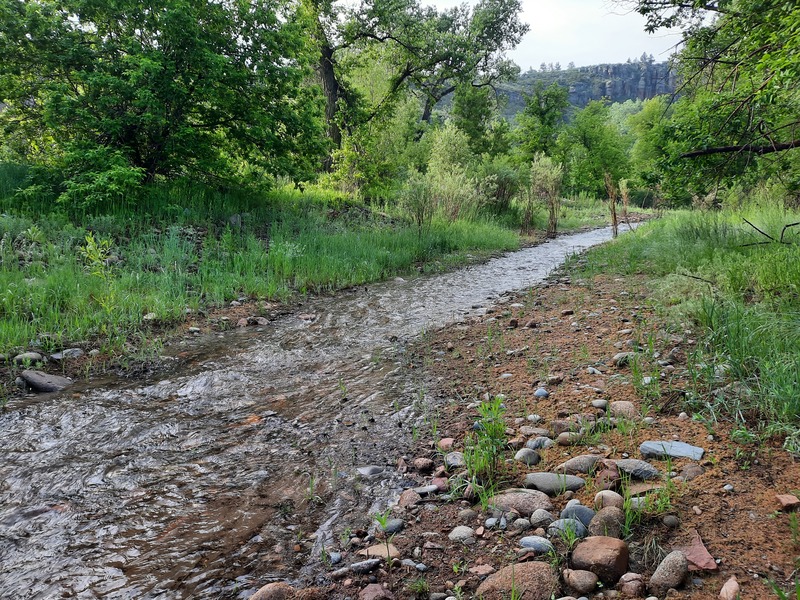
Biohabitats is honored to support the work of The Watershed Center in protecting, restoring, and enhancing the rivers upon which so many communities, human and otherwise, rely. In our last issue of Leaf Litter, we introduced the Old St. Vrain Road Reach Restoration, and you can watch The Watershed Center’s new video about the project to get a closer look:
Thank you to Left Hand Excavating, Otak, GEI Consultants, Inc., Wright Water Engineers Inc., and everyone on the project team for your hard work and dedication. For more information on Biohabitats’ role, please contact Michael Lighthiser.
A Groundbreaking New Living Village
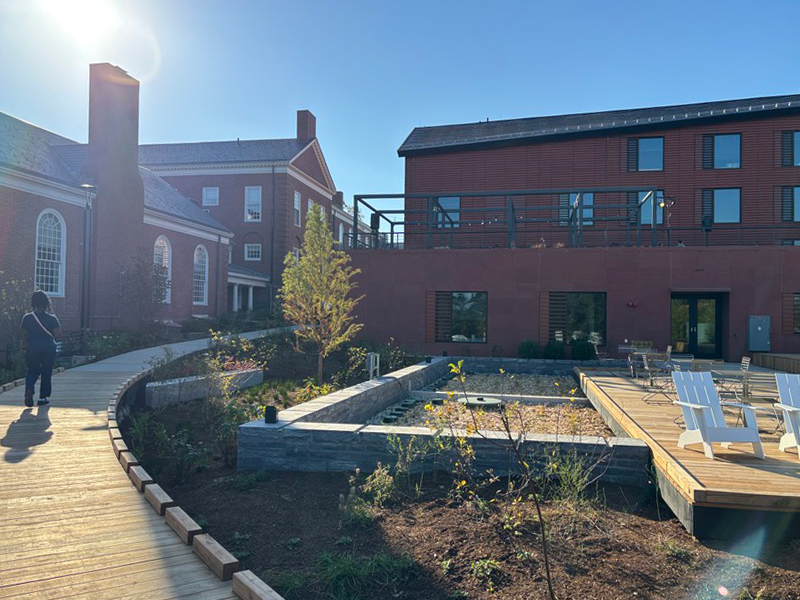
This October, Yale Divinity School celebrated the official ribbon cutting at the new Living Village. As the first university residence designed to meet Living Building Challenge standards, the Living Village demonstrates environmental leadership at the highest level and serves as a replicable model for other divinity schools, places of worship, and academic institutions worldwide. The project features 50 compact and efficient housing units centered around vibrant community spaces, including a welcome center, communal kitchens and dining areas, gardens, meditation and study areas, lounges, a yoga studio and an interfaith sacred space for worship. It also serves as a model for religious institutions to apply ecotheology in their own communities and places of worship.
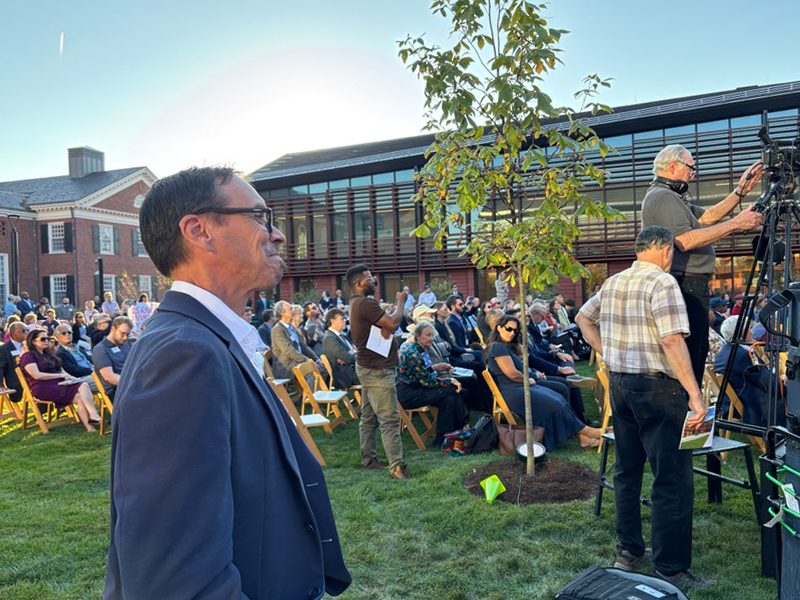
The Living Building Challenge presents the most rigorous standards in the sustainable building industry. Through the framework of its seven petals (Place, Water, Energy, Health, Materials, Equity, and Beauty), the project created a healthier, more culturally rich, and ecologically restorative campus. As a key member of the master planning team led by Bruner/Cott Architects and Planners, Biohabitats led design and engineering related to the achievement of the Water petal. This involved determining campus water balance, assessing the feasibility of various integrated water strategies including rain harvesting, and wastewater treatment and water reuse systems.
Places
2026 Delaware Wetlands Conference
This January, join environmental professionals and wetland enthusiasts for a two-day conference hosted by the Delaware Department of Natural Resources and Environmental Control (DNREC). On January 28, Senior Restoration Ecologist, Mike Trumbauer will present on the new 30-acre freshwater tidal wetland complex at Philadelphia’s FDR Park, providing an overview of the design and construction challenges, the adaptive management approach, post-construction observations, and the arc of public perceptions of this highly visible project.
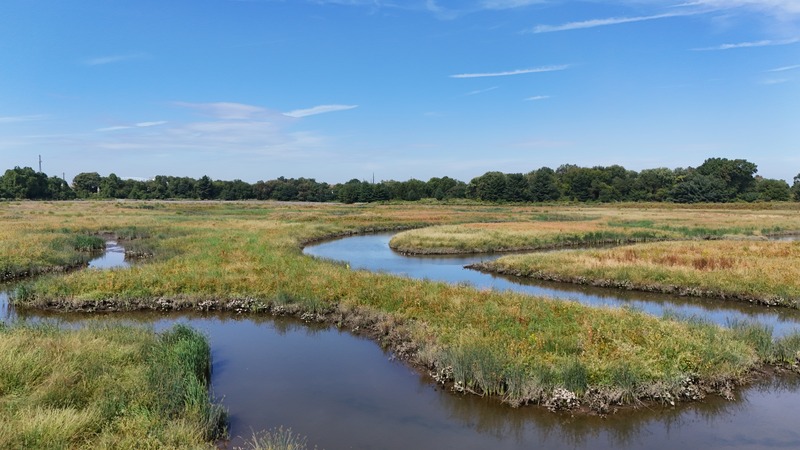
Learn more and see the full conference program here, and please contact Mike Trumbauer for more information on the FDR Park Wetland Mitigation project.
2026 River Restoration Northwest Symposium
From February 2-6, River Restoration Northwest (RRNW) will host a gathering of professionals dedicated to the science and practice of river restoration. If you’re attending, be sure to stop by the Biohabitats booth, where you can connect with Biohabitats Construction Team Leader and Fish Biologist, Todd Alsbury and Assistant Team Leader, Carson West, PE. This dynamic dua can tell you all about the advantages of working with a restoration construction team that brings expertise in restoration design and fish biology to your river restoration project.
Community-guided Conservation
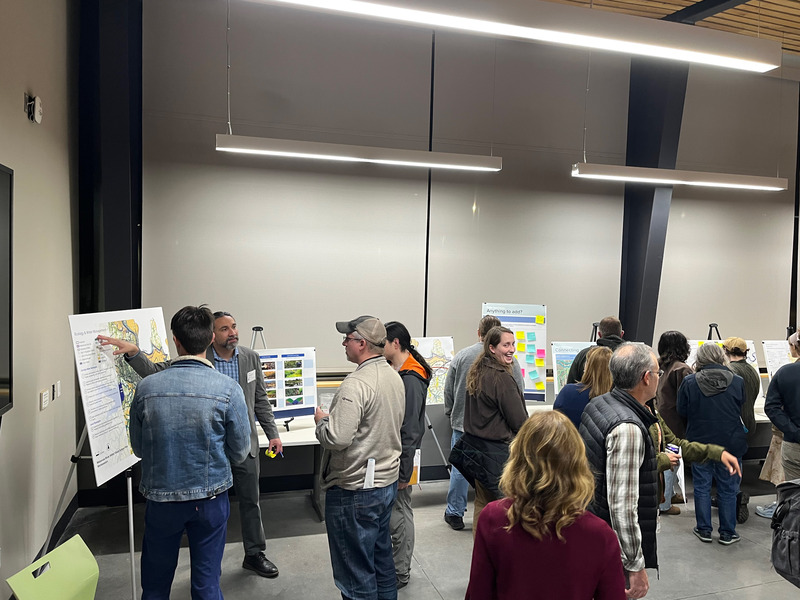
Last month, Biohabitats and Hoxie Collective hosted a three-day planning workshop where local experts, institutional partners, community members, and Haskell Indian Nations University students and staff provided their input at the beginning of the Wakarusa River Valley Vision and Area Planning process.
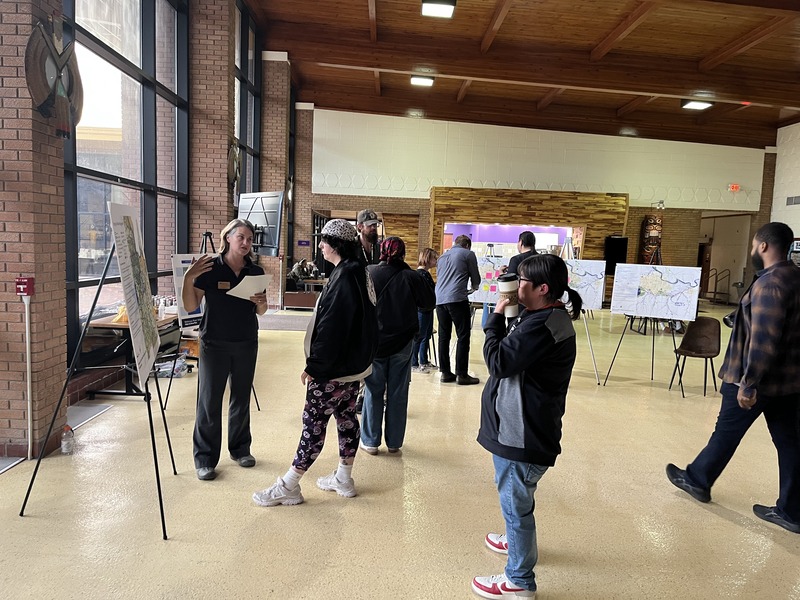
The feedback received will help Douglas County, Kansas, refine a long-term framework to guide conservation during future development within the Wakarusa River corridor while honoring the land and the people who live there. The workshop was covered by several media outlets, including The Indian Leader. Please contact Jessica Hardesty Norris for more information on our role.

Flood Risk in Focus
South Carolina ETV’s investigative series IMPACT South Carolina and their community-engagement focused series Palmetto Perspectives recently explored the significant, worsening flood issues that are impacting the Charleston peninsula and its surrounding communities. With residents facing rising sea levels, powerful storms, and abnormally high tides, the City of Charleston developed a comprehensive water plan to guide the development and implementation of nature-based projects and policies to address current and future flood risks.
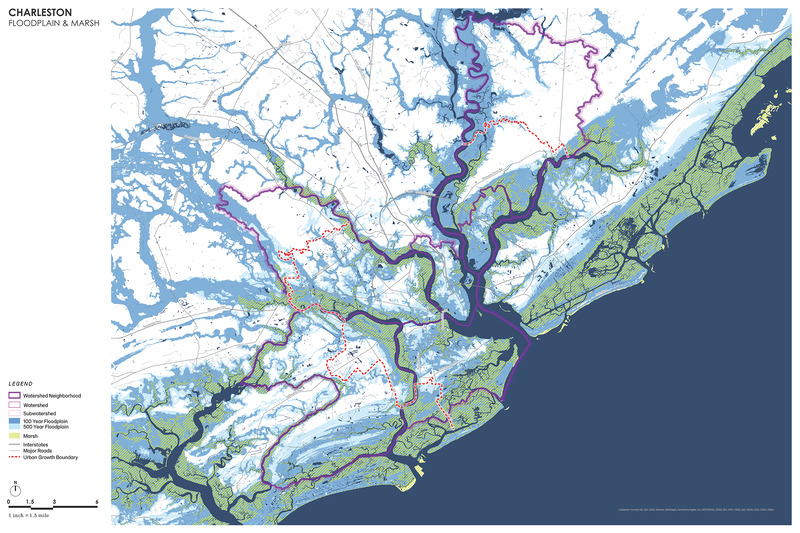
As nature-based design and adaptive management specialists on a planning team led by Black & Veatch and including Waggoner & Ball and Moffatt & Nichol, Biohabitats helped the City of Charleston integrate nature-based strategies into the water plan. Watch the IMPACT South Carolina episode Flood Stage – Sea Level Rise in Charleston, which features an interview with Biohabitats’ founder, Keith Bowers, and the Palmetto Perspectives episode The Rising Tide: Living with Water, for a firsthand look at how flooding has disrupted the daily life of Charleston’s communities, and how the City will use the water plan to solve these issues.
For more information about the Charleston Water Plan, please contact Keith Bowers.
Jones Falls Watershed Strategic Planning Meetings
Come lend your voice and help shape the future of the Jones Falls watershed! The community-led strategic plan is calling on residents, businesses, community groups, and anyone with a stake in the Jones Falls and its connected tributaries to come together and discuss water quality, biodiversity, recreation, land use, and culture. We hope you’ll join Biohabitats, Friends of the Jones Falls, and Central Baltimore Partnership in imagining a brighter future for our watershed.
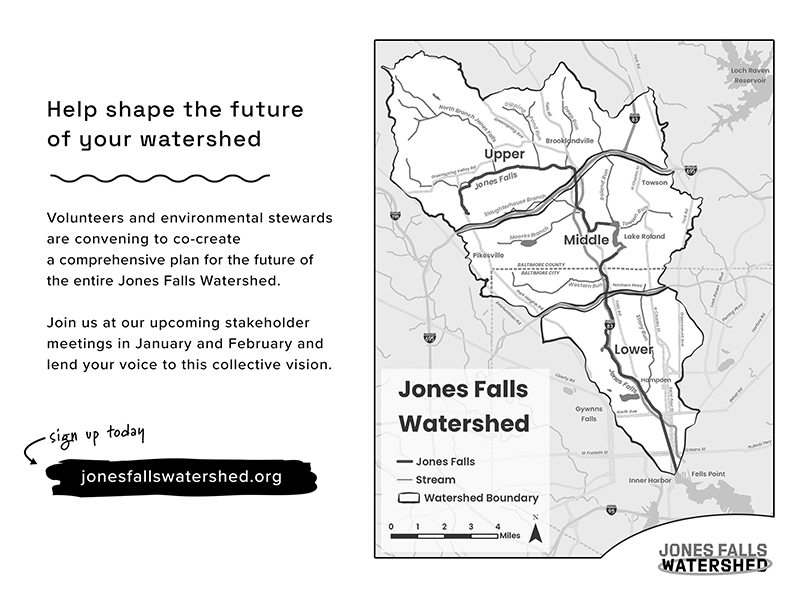
The first round of meetings are geographically focused and we encourage you to attend the session for the area where you live, work, or feel most connected. Visit JonesFallsWatershed.org for more information. We can’t wait to hear your ideas!
For questions about this project, please contact Senior Environmental Scientist/Eastern Bioregions Leader Rebecca Winer-Skonovd.
People
Media Matters in Landscape Architecture
This season, we’re excited to share that Learning & Innovation Leader Christopher Streb has co-authored a chapter in the newly released Media Matters in Landscape Architecture from EMLab co-directors Karen M’Closkey and Keith VanDerSys. His chapter “Regenerative Techno-Ecosystems in Urban Landscapes” explores how information, sensing, and feedback loops can serve as ecological prosthetics, supporting landscapes increasingly stressed by climate extremes and urbanization.
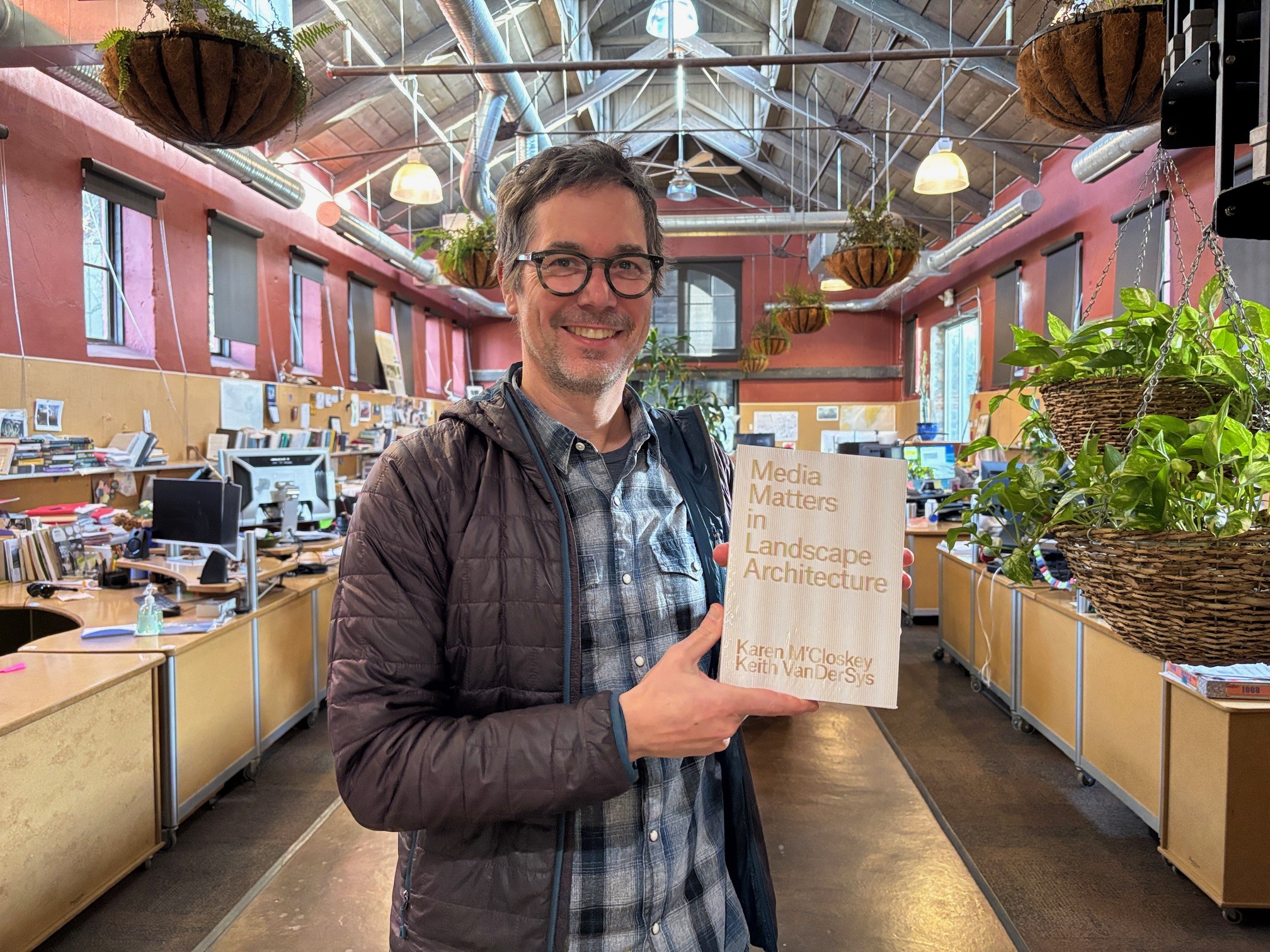
Building on a Leaf Litter article from 2023, “Into the Wild… Cybernetic Ecosystem,” this new work takes a deeper dive into the evolution of techno-ecosystems. It traces the scientific and conceptual roots of the field and examines how technology is no longer merely a tool for observing environmental conditions but is becoming a functional component of ecological systems themselves. By giving landscapes access to timely information, and the ability to respond, these hybrid “techno-ecosystems” open new pathways to enhance resilience, restore ecosystem services, and reimagine how nature and infrastructure co-evolve in cities. As we reflect on this solstice season and the accelerating changes shaping our world, we hope this work contributes to a broader dialogue about how design, science, and technology might help regenerate the living systems on which we depend.
Chiliween 2025
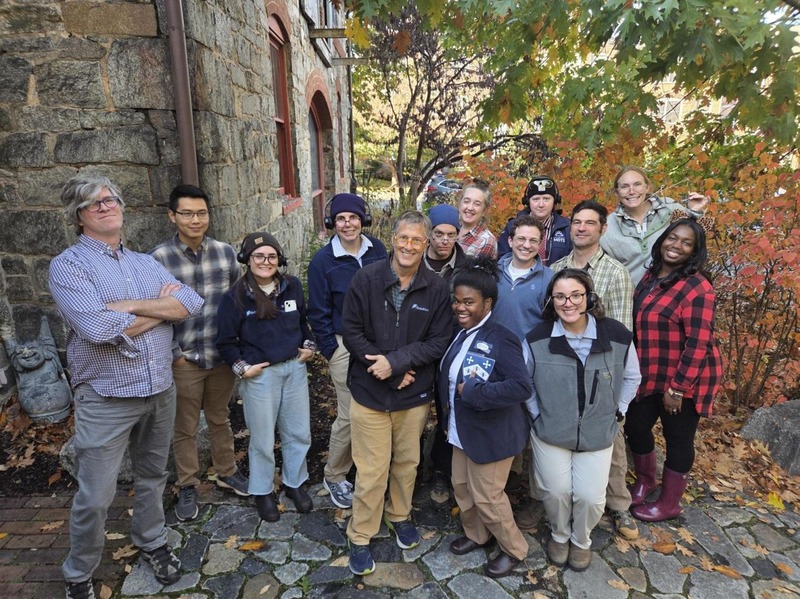
This October, the Chesapeake and Delaware Bays bioregion office hosted Chiliween, our annual Halloween party and chili cookoff. This year’s costume theme was Biohabitats President, Ted Brown, and we did our best impressions of our inspiring leader, including a Ted-themed walk-off through the office.
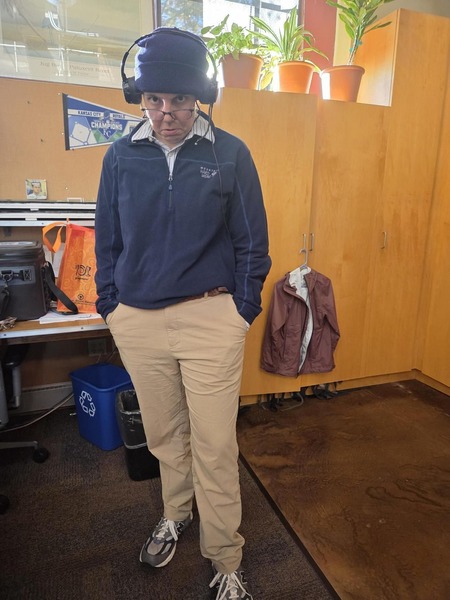
The winners of our chili cookoff were People & Culture Coordinator, Jasmine Roberts, whose turkey chili was paired with honey cornbread muffins and rice, and Marketing Coordinator, Brooke Marshall, who heated things up with a chuck roast poblano chili. It was a great start to the holiday season!
SER Northwest’s Restoration Practitioner of 2025
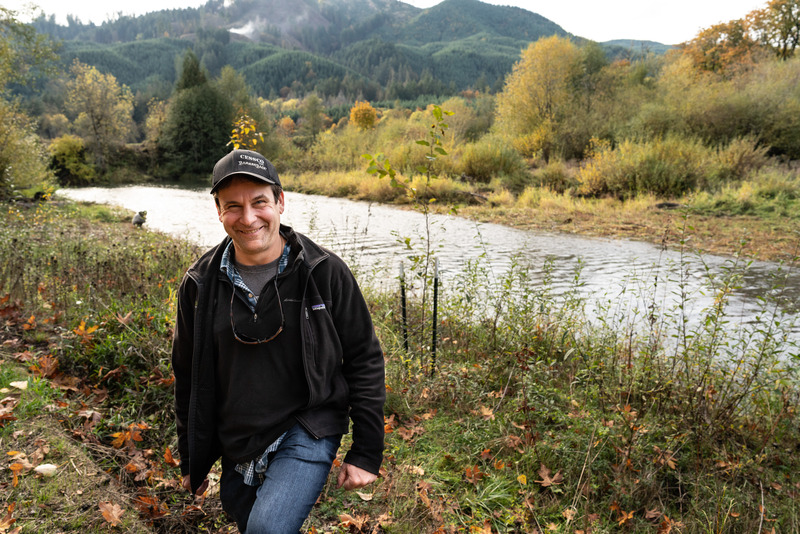
“Since I have known him, Matt Koozer has endeavored to accomplish impactful ecological restoration and inspire those around him. In the time I have worked with Matt, he has successfully implemented and led the construction of several large-scale restoration projects across Oregon. He has gone above and beyond in creating a workplace of safety, learning, and meaningful restoration.” – Biohabitats Construction Restoration Field Technician, Matt Hilz
We’re thrilled to share the news that Biohabitats’ Restoration Construction Practice Leader, Matt Koozer has been named Practitioner of the Year by the Society for Ecological Restoration Northwest.
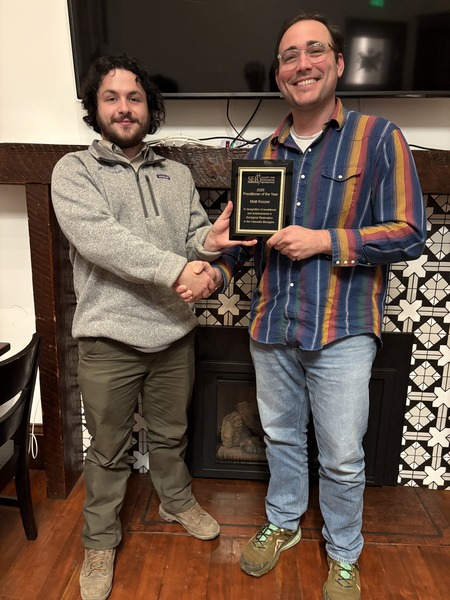
Matt was recognized not only for his expertise, work ethic, and dedication to ecological restoration in the Pacific Northwest, but also for his collaborative spirit. Congratulations to Matt on this well-deserved recognition! Learn more about Matt Koozer’s projects and the crew that made them possible: SERNW 2025.MOV
Welcome to the Team!

Biohabitats is excited to introduce our newest team members: Western Bioregion Team Leader, Karah Conklin, Water Resources Engineer, Chaya Wilks, and Project Accountant, Takita Jenkins! Which of these new team members once wanted to be a nun? Which one is part of an advocacy group for bike riders? Find the answers and more on the Rhizome blog.
Promotions

Congratulations to our recently promoted team members!
With 12 years of experience in ecological restoration, low impact design, and stormwater best management practices (BMP) design, Senior Water Resources Engineer Katie Talley will now be applying her skills as the new Bioregion Team Leader for our Chesapeake/Delaware Bays Bioregion!
Formerly a Senior Project Accountant, the inimitable Sunny Dood has been promoted to Billing Team Leader, and we’re looking forward to having her at the helm of our billing processes.
For more than a decade, Senior Engineer & Practice Leader Erin English has elevated Biohabitats’ integration of process-design with our work on natural systems for water master planning, wastewater treatment, stormwater treatment, and reuse. Now, Erin will bring her expertise to her new position as Western Operations Leader!
Claudia Browne has been promoted to Western Strategy Leader/Practice Leader. For 40 years, Claudia has worked to increase the resiliency of natural and human systems to climate change and other environmental stresses by integrating strategies for restoration into all phases of planning, design, construction and monitoring projects.
Golden Acorn
Biohabitats’ quarterly Golden Acorn award is presented to a team member who has excelled in demonstrating our mission to “Restore the Earth and Inspire Ecological Stewardship.” The gold color symbolizes purity of purpose in protecting and defending nature, and the acorn symbolizes strength of resolve. Golden Acorn winners are awarded $1000 to donate to non-profit organizations of their choice. The most recent Gold Acorn winners were Administrative Assistant, Annie Berg and Water Resources Engineer, Sarah Emrich from our Chesapeake/Delaware Bays Bioregion; Senior Ecologist, Kevin Nunnery from our Southeast Atlantic Bioregion; and Construction Project Team Leader, Jacques Varvel from our Cascadia Bioregion.
Annie chose the National Parks Conservation Association as the recipient of her Golden Acorn donation, and Sarah directed her donation to the Chesapeake Bay Foundation. Kevin and Jacques are still choosing their organizations, and we will provide an update in our next issue. Congratulations to our Golden Acorn winners!