Sandusky Bay Restoration Initiative Nutrient Reduction Wetlands: Raccoon Creek Nature-based Shoreline
- Sandusky
- Ohio
- United States
A unique nature-based solution helps restore the function, diversity, and habitat of lost coastal wetlands while improving nutrient assimilation and water quality, and providing important habitat for migratory shorebirds and seasonal residents such as herons and terns.
In recent decades, Sandusky Bay has been affected by land-use decisions, nutrient loading, increased turbidity, and shoreline habitat loss. To reverse the degradation and improve water quality and habitat, the Ohio Department of Natural Resources launched the Sandusky Bay Restoration Initiative. As part of the Initiative, and with help from Biohabitats, the City of Sandusky initially identified and prioritized opportunities to restore coastal wetlands and deploy nature-based solutions to enhance nutrient uptake and reduce algal blooms and suspended sediment. The Baird-Biohabitats-Tetra Tech team was selected by The Nature Conservancy – Ohio to design priority restoration projects in the western portion of Sandusky Bay. This included the Raccoon Creek site, where wave energy and aging dikes associated with the Pickerel Creek Wildlife Area were threatened.
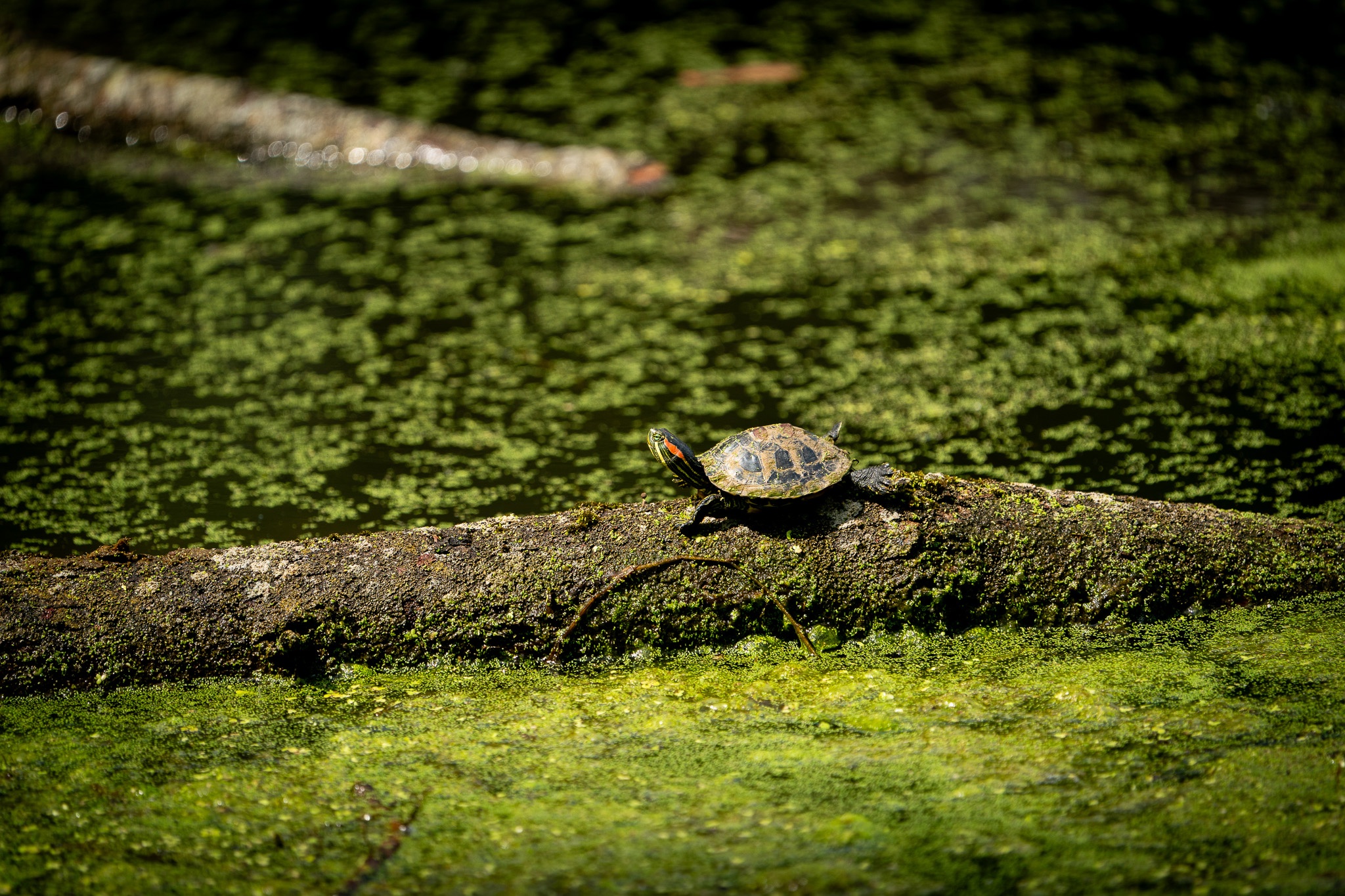
The solution was to create the first-of-its-kind nature-based shoreline project in Ohio to reduce wave energy with an in-water berm and create wetlands behind the berm to assimilate nutrients, reduce sediment resuspension, and create conditions to support the establishment and recruitment of macrophytes and habitat for fish and wildlife. Woody debris piles, rock piles, and roosting snags were also incorporated into the design. Post-restoration, there was a significant increase in the amount of coastal bird species, including shorebirds, herons, Bald eagles, and waterfowl using the site, and seasonal sediment accretion formed mudflats that attracted migratory shorebirds.
Biohabitats’ responsibilities included site assessment, concept development, preparation of habitat and planting plans, and plant schedules at the 30%, 60&, 90%, and construction documents stage of design development and technical specifications. Biohabitats also completed all agency coordination and prepared and successfully secured the USACE Buffalo District Section 401 permit and the Ohio EPA Section 404 water quality certification.
-
Owner: The Nature Conservancy
-
Bioregion: Great Lakes
-
Ecoregion: Marblehead Drift/Limestone Plain
-
Physiographic province: Central Lowland
-
Watershed: Lake Erie
-
Collaborators: The Nature Conservancy, Baird, Tetra Tech, DLZ, MAD Scientists