Beebe Island Side Channel Reconnection
- Clackamas
- OR
- United States
An ecologically important side channel of the Clackamas River is reconnected to receive flows year-round.
The Beebe Island Side Channel Reconnection project restored habitat for a multitude of species, including coho, Chinook, and steelhead salmon, Pacific lamprey, and other native fish and wildlife calling the Clackamas River home. Funded by a grant from the Oregon Watershed Enhancement Board, Biohabitats provided restoration construction to increase off- and side-channel habitat, improve floodplain connectivity, and increase riparian habitat quality along a half-mile side channel of the river.
The existing side channel was cut off from flows during the dry season, which led to diminished fish access and increased temperature-related water quality issues. Biohabitats excavated more than 6,000 CY from the mouth of the channel to lower the elevation so flows from the Clackamas River can access the side channel year-round.
To create more slack water habitat favored by coho salmon juveniles, Bio-habitats excavated an alcove into the banks of the side channel. Twenty-six logs and rootwads were installed in the alcoves to create complex habitat. A series of willow trenches, trenches reaching ground water (around four feet deep) and planted with willow live stakes, were installed throughout the upper side channel area to aid in bar formation and increase habitat complexity. These techniques increased the duration and amount of streamflow from the mainstem Clackamas River into the side channel.
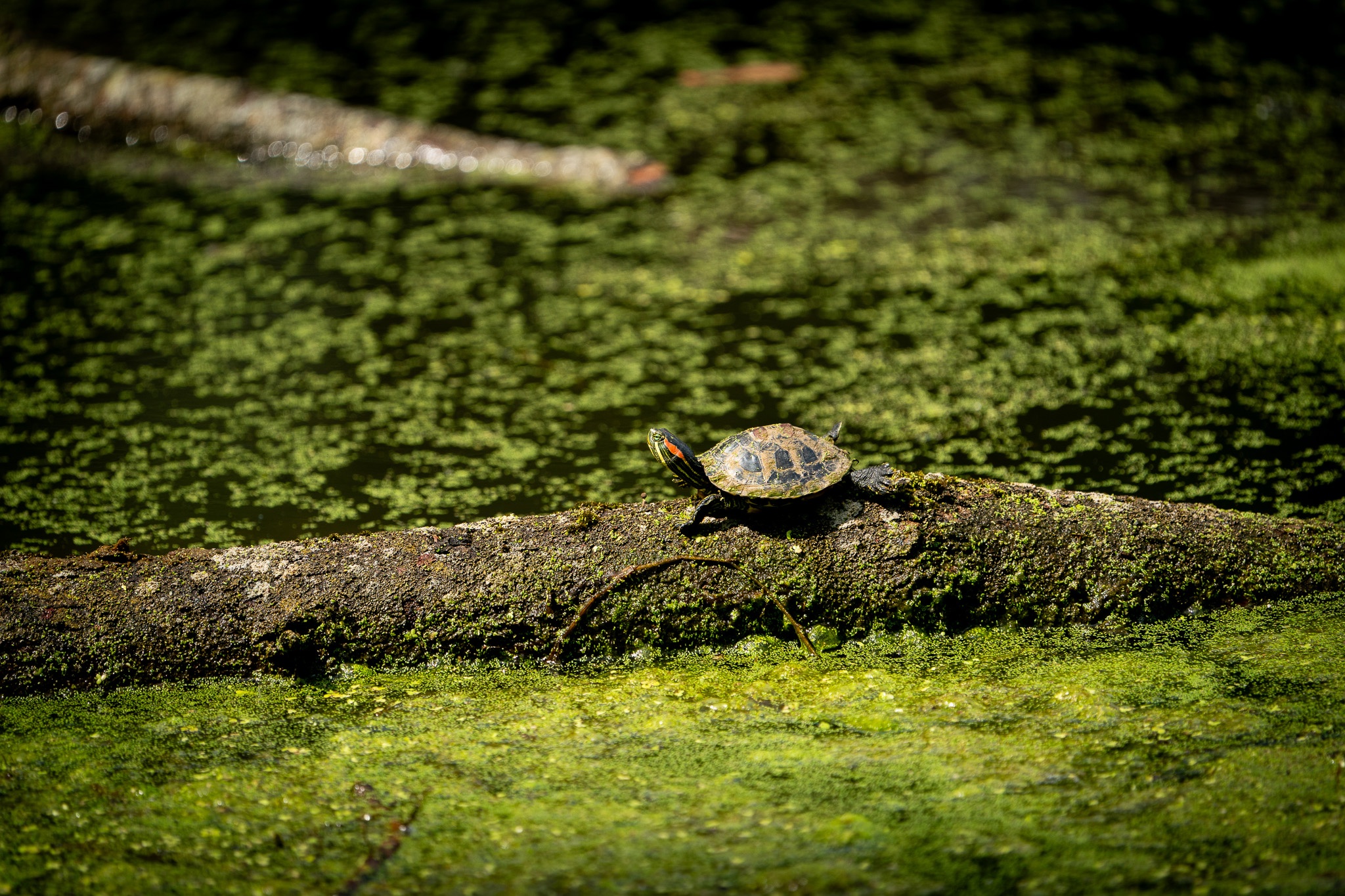
A second component of the project was upslope 50 feet above the riverbank at a former gravel mine. Previous operations had left two gravel ponds with steep sides that were inhospitable to native turtles – western painted and northwest pond turtles. Biohabitats reduced the grade of the pond banks in areas to improve turtle access to sandy nesting material that was placed as part of the project. More than 50 logs were placed along the two ponds for turtle basking and nesting habitat. Even prior to project completion turtles were observed using the new installations.
TAGS
-
Owner: Clackamas River Basin Council
-
Bioregion: Cascadia