Buffalo Outer Harbor Phase II
- Buffalo
- NY
- United States
A formerly industrial lakefront site transforms into an ever-increasingly rich, biodiverse setting for outdoor enjoyment.
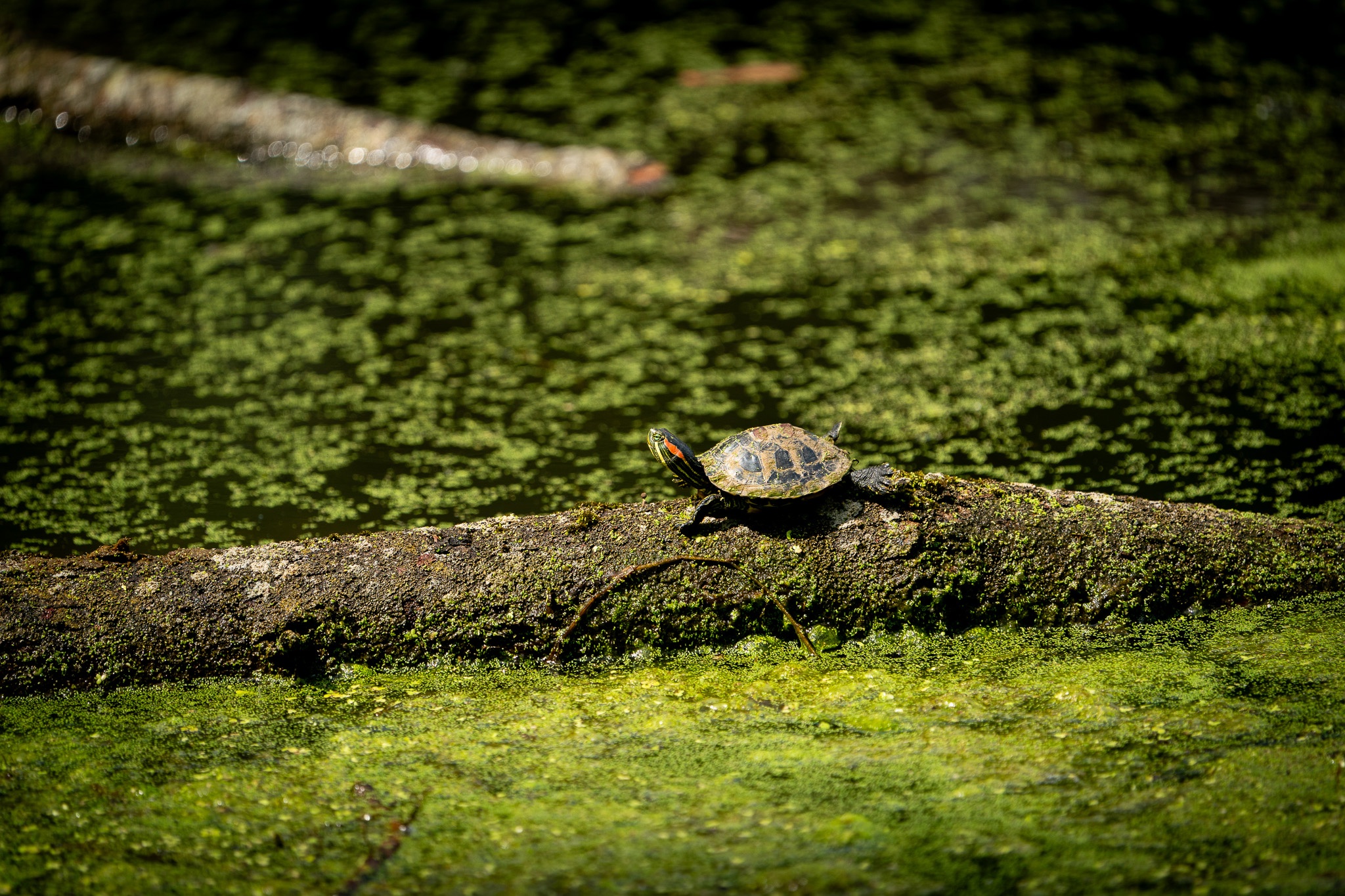
Located in the “Outer Harbor” section of Buffalo’s waterfront, this project encompasses over 165 acres along the Lake Erie shoreline within a protected harbor formed by an outer break wall built in the late 19th century. After surveying the public about potential use for the vacant site, the Erie Canal Harbor Development Corporation learned that the community wanted to preserve it as habitat and green space, with increased public access and amenities. The site now includes areas where pioneer vegetation has volunteered, attracting birds and other wildlife.
Proposed improvements include a visitor hub, bike path extension, recreational spaces, overlook/art installations, a bike park, signage, a large event space, and a flexible, multi-use space on the Michigan Avenue Pier. Biohabitats provided habitat recreation/restoration and living infrastructure support services as a sub-consultant to Trowbridge Wolf Michaels Landscape Architects. A detailed ecological assessment was performed for the portion of the site with regenerated vegetation, including vascular plant and insect inventories and analysis with regard to system quality, plant community description, and species rarity. Services also included evaluating aquatic habitat restoration alternatives. Restoration priorities, implementation strategies, cost/budgeting information, and habitat potential for various elements were provided to help the team evolve the concept and inform the community engagement process. The concept plan was formally adopted, and Biohabitats will be providing continued ecological support as part of the TWM team for detailed design and construction of the next phases of capital improvements, including habitat restoration and the integration of green infrastructure elements into access, gathering, and interpretive features.
TAGS
-
Owner: Erie Canal Harbor Development Corporation
-
Bioregion: Great Lakes
-
Ecoregion: Erie/Ontario Lake Plain
-
Physiographic province: Central Lowland
-
Watershed: Frontal Lake Erie
-
Collaborators: Trowbridge Wolf Michaels Landscape Architects LLP, Conservation Research Institute