Executive Summary
-
Context: Originally published as an Op-Ed in The Post and Courier by Biohabitats Conservation Biologist Nolan Schillerstrom.
-
Challenge: Traditional beach renourishment projects often fail to account for the long-term, repeated costs associated with inevitable sea level rise.
-
Solution: Coastal communities should incorporate predictive data in cost-benefit analyses for both beach renourishment and new coastal development.
“Five million dollars is a bucket full of sand.”
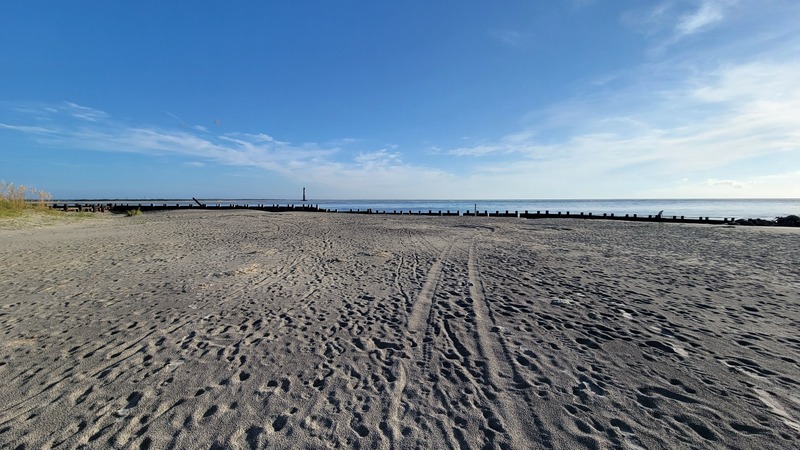
That phrase is often used by S.C. barrier island residents to make light of the high costs of beach renourishment. We all love our beaches. They provide critical wildlife habitat and drive local economies, and living on or near the water is an undeniable dream for many people. However, I’m increasingly unconvinced that the economic benefits of coastal development and beach renourishment outweigh their true long-term costs.
Dredged sand should remain part of our coastal adaptation toolbox, but we can’t stop there.
The Real Cost of Sea Level Rise
Too often, renourishment is justified by comparing its price tag to tourism revenue without accounting for the full suite of costs communities will face as sea levels rise. Those costs include repeated renourishment cycles, infrastructure adaptation and ultimately the relocation or removal of buildings that weren’t built for a changing shoreline.
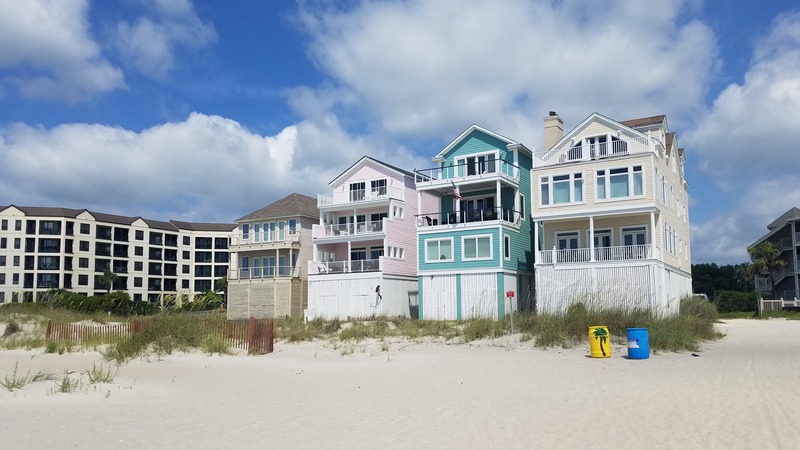
We already have easy-to-use tools, such as the National Oceanic and Atmospheric Administration’s Sea Level Rise Viewer, that show how entire coastal communities are likely to be affected over the next several decades. Those projected impacts and their associated costs should be incorporated into today’s cost-benefit analyses for both beach renourishment and new coastal development.
Designing Coastal Infrastructure for a Changing Shoreline
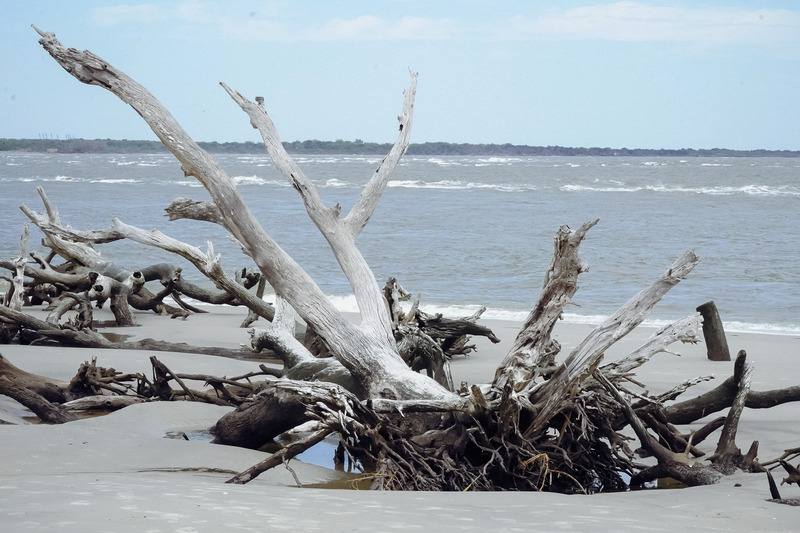
That also means rethinking how we build along the coast. New homes, hotels and infrastructure should be priced and designed with an assumed future of movement, removal or decommissioning – built to adapt, not to pretend permanence is possible.
If we want to keep our beaches and marshes, we need to start planning for real adaptation beyond buckets of sand.